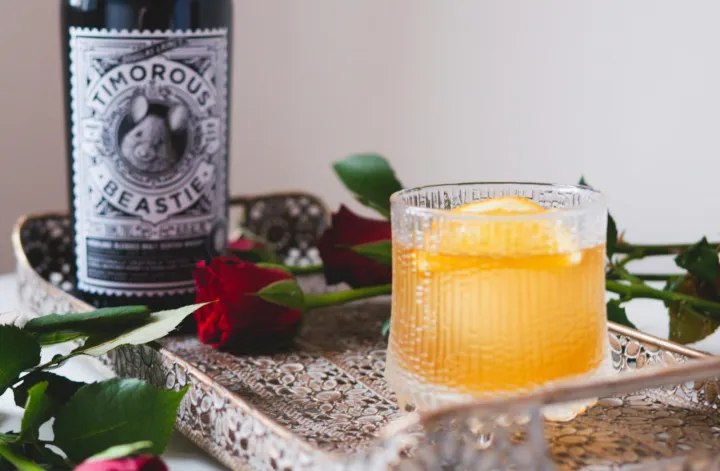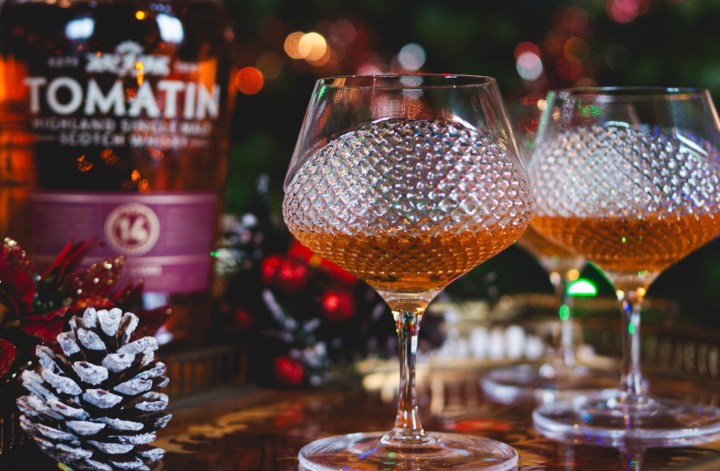

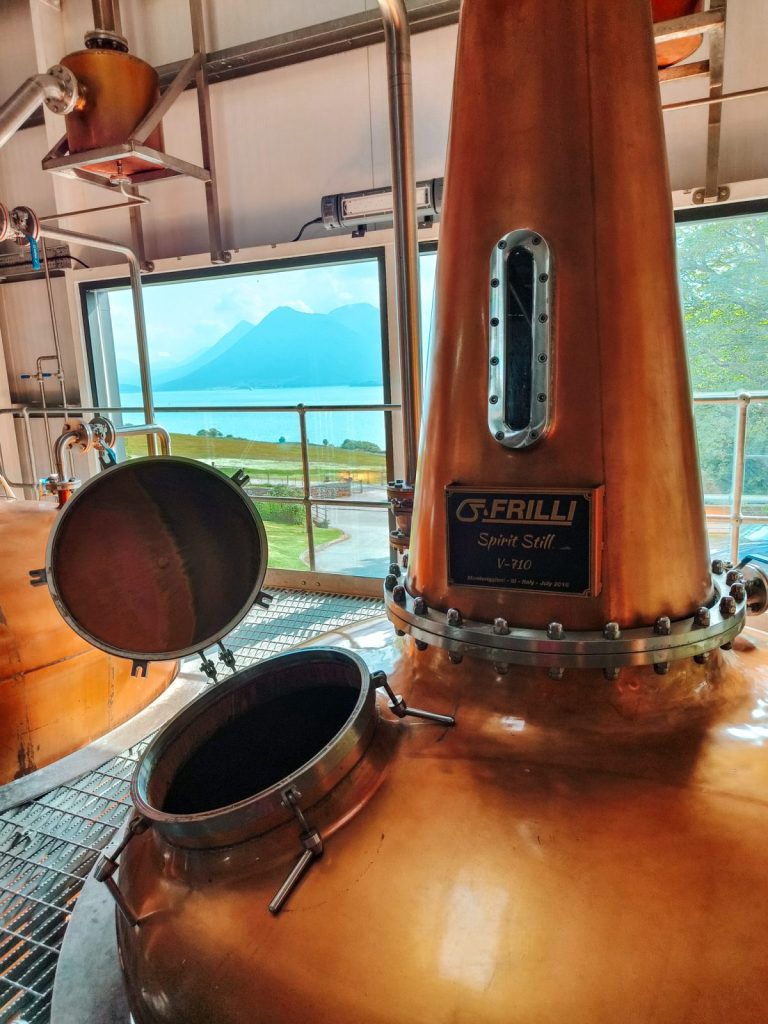
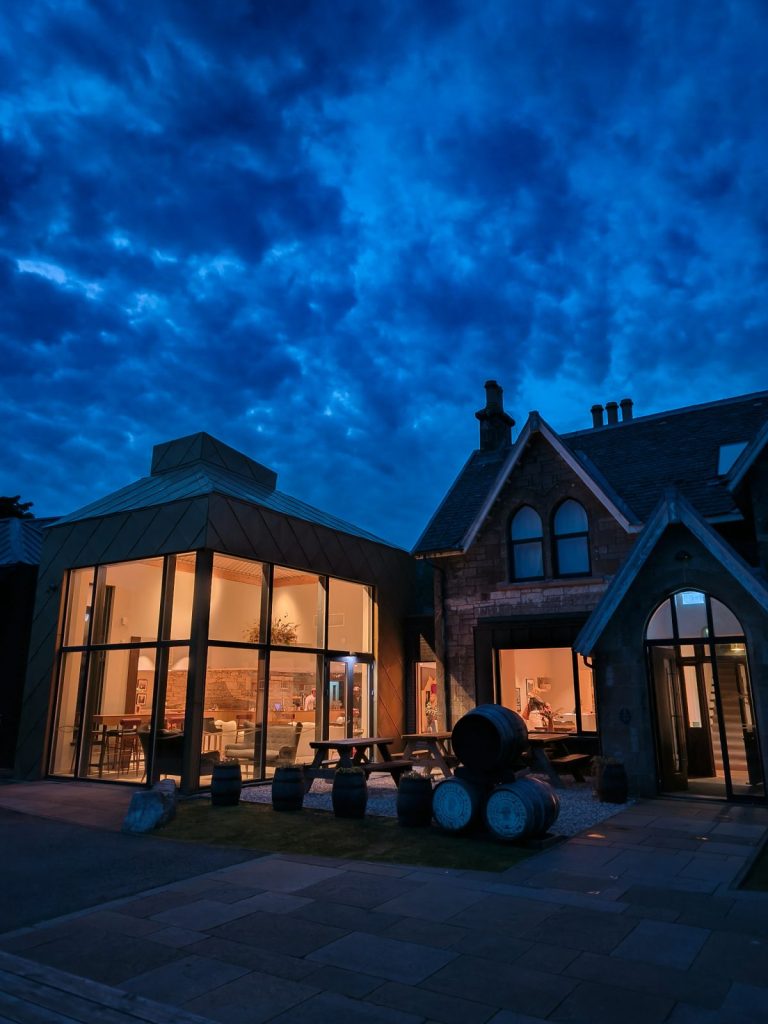
For any whisky lover, staying at a distillery hotel is the dream. On the Isle of Raasay, it’s one that comes with a view. At Raasay Distillery you can wake up in the same building where the whisky and gin are crafted, and there’s a familiar scent of fermentation in the air.
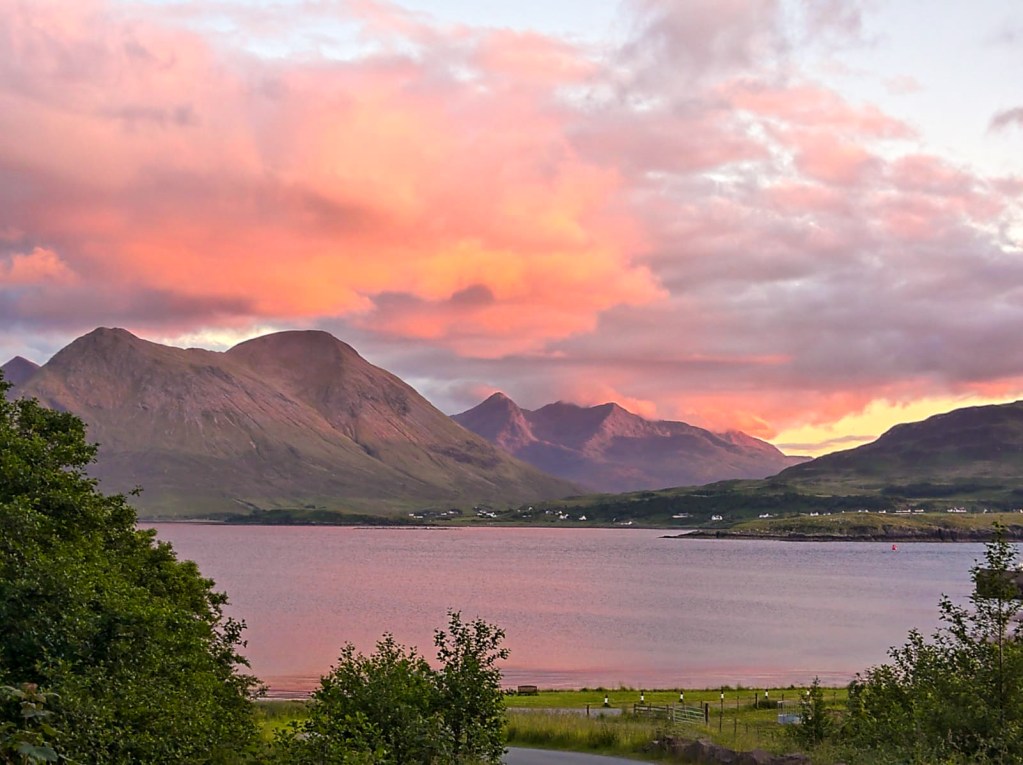
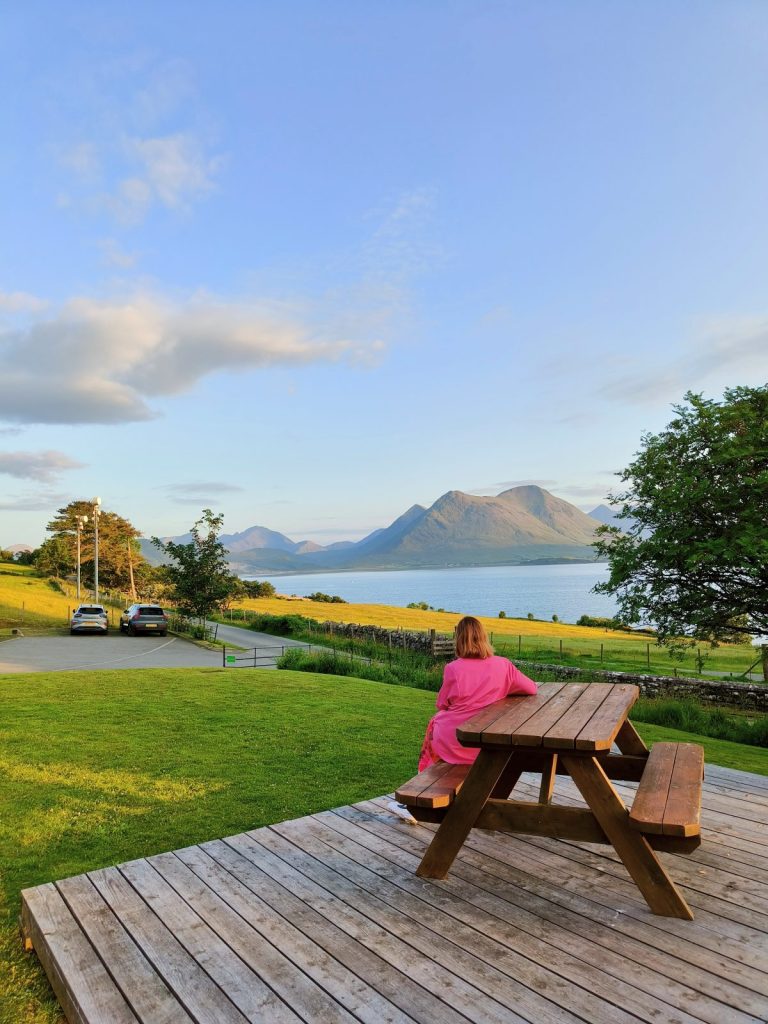
Best of all, the hotel offers one of the best vistas of any distillery in Scotland, framing the spectacular Cuillin mountain range across the water on the Isle of Skye. Whether you are hiking the many trails of Raasay or simply enjoying a dram in your room, the mountain tops are always there keeping you company.

Borodale House
Ten years ago, Bill Dobbie discovered a Victorian villa, known as Borodale House, for sale in a prime location on a small Hebridean island. A year later, the planning permission was approved, and it was renovated into a small hotel with additional buildings for the distillery and a visitor centre. Fast-forward to today, and they have built a multi-award-winning distillery with exceptional whisky releases. The distillery has also played a key role in reviving the island’s population, which has grown to 194 residents, an 8% increase from the year before. The average age of the distillery workers is 30 years old.
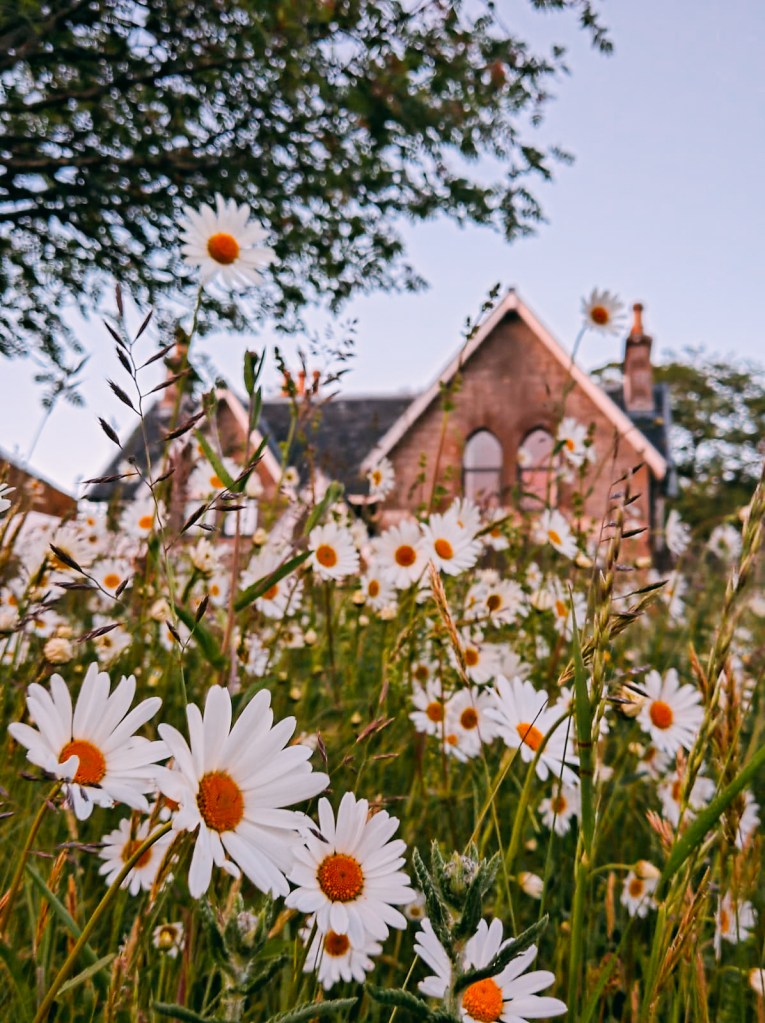
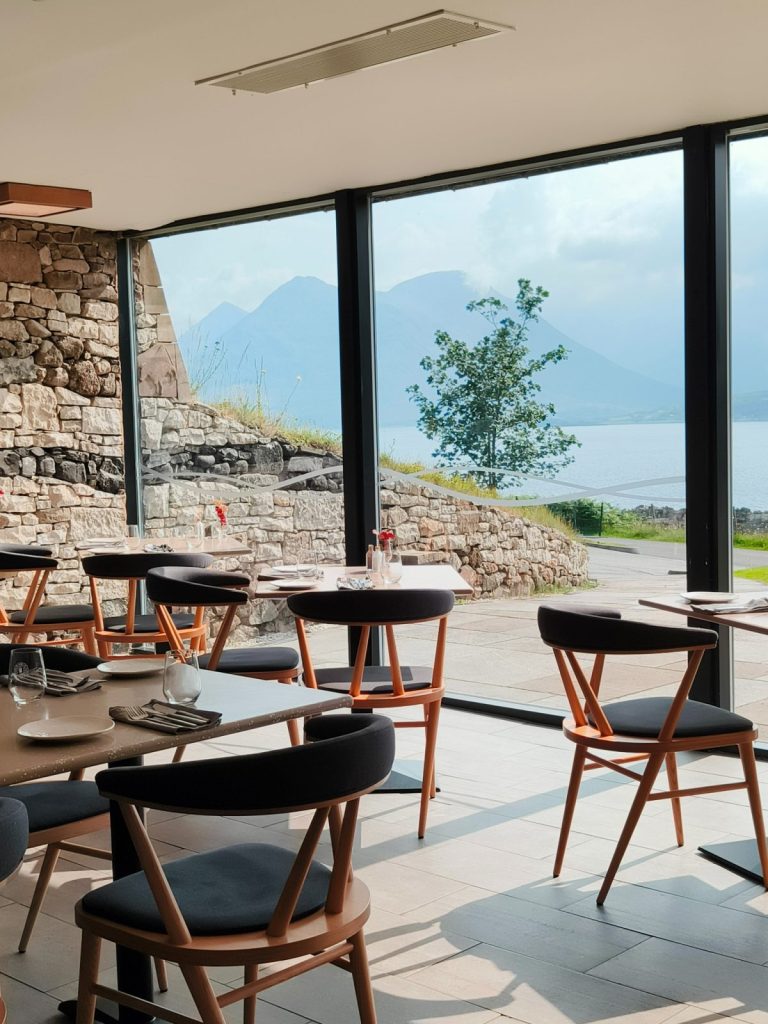
The hotel stay includes a tour with a tasting of two whiskies and the gin. There’s also an option to add a chocolate pairing and to book a special warehouse tasting for a little extra. I’d also recommend booking dinner – I especially enjoyed the oysters and mussels. Both the restaurant and the bar area are designed so that every guest can take in the magnificent view. For lunch, you’ll find a selection of sharing plates. The wine list is rather pricey, and the cocktails could use a little TLC, but let’s be honest: most of us come to Borodale House for the whisky.
If you don’t have time for an overnight stay but still want a little break from the hustle and bustle of the Isle of Skye, you can jump on the ferry from Sconser and make a day of it. The ferry ride is only 25 minutes, and once you get to Raasay you don’t need a car as many of the walks and the distillery are accessible on foot.

Hebridean Single Malt
The inspiration came from the older styles of Hebridean single malts, styles that had been lost over the centuries. The Isle of Raasay signature flavour profile is a lightly peated whisky with noticeable notes of rich dark fruits and sweet spice such as cinnamon and vanilla.
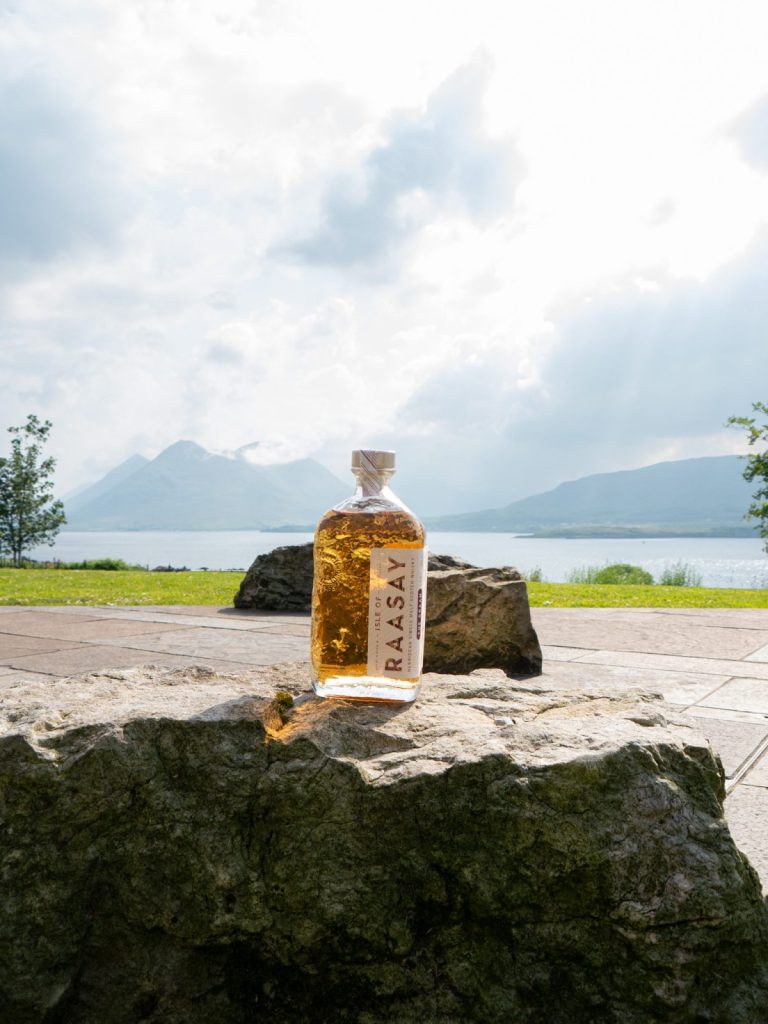
They distil both peated and non-peated whiskies, which are matured separately in three types of casks: 1st-fill rye whiskey, virgin Chinkapin oak and 1st-fill Bordeaux red wine. After maturation, spirits from these six casks are blended to create the core Isle of Raasay Single Malt Whisky, affectionately known as The Draam (46.4% ABV).
The Chinkapin oak casks have high char and high toast levels, which brings caramel sweetness and BBQ smokiness to the spirit and contributes to a darker colour. The ex-Bordeaux casks are made using two different varieties of French oak. These styles will add savoury spice notes into the spirit. High-quality red wine will also bring more of those desired dark fruit flavours such as blackberries, plums and cherries.
And finally, the ex-American rye whiskey casks contribute to spicier black pepper notes and sweet butterscotch. Together they create the holy trinity of what Raasay whisky is all about. You can also get single cask bottlings (both peated and non-peated) should you wish to dive deeper into the flavours of these casks. The distillery will release new single cask bottles every two years, the next being their 7-year-old expression.
If you are interested in specific oak species, the Raasay Oak Species Maturation Series showcases how individual species of oak interact with their lightly peated spirit. The tasting pack is a great way to explore these individual virgin oak casks. The distillery has also bottled a very rare Quercus Humboldtii Colombian Oak single malt, which blew my mind!


The water comes from their own well, Tobar na Ba Báine (the Well of the Pale Cow), which flows across the volcanic rock and filters through Jurassic sandstone before reaching the distillery. The same water is used for fermentation, distillation and bottling.
The unique, showstopping bottle design captures the island’s natural beauty. They used fossils and rocks found from the island to mould the print on the glass. The Raasay gin bottle uses the same concept with the addition of juniper used in the moulding process.
Discover other Scottish island distilleries – Exploring Island Whisky from Scotland
Isle of Raasay Gin
Isle of Raasay Gin, 46% ABV, was a bit of an afterthought and only came to be after several enquiries from the locals and gin lovers alike. Now firmly part of the regular production, the gin is made using nine botanicals: juniper, lemon & orange peels, angelica root, rhubarb root, coriander, cubeb peppers, liquorice and orris root. Perfectly sippable on its own, or serve with a dry tonic and an orange twist.
Explore the history of Isle of Raasay on foot
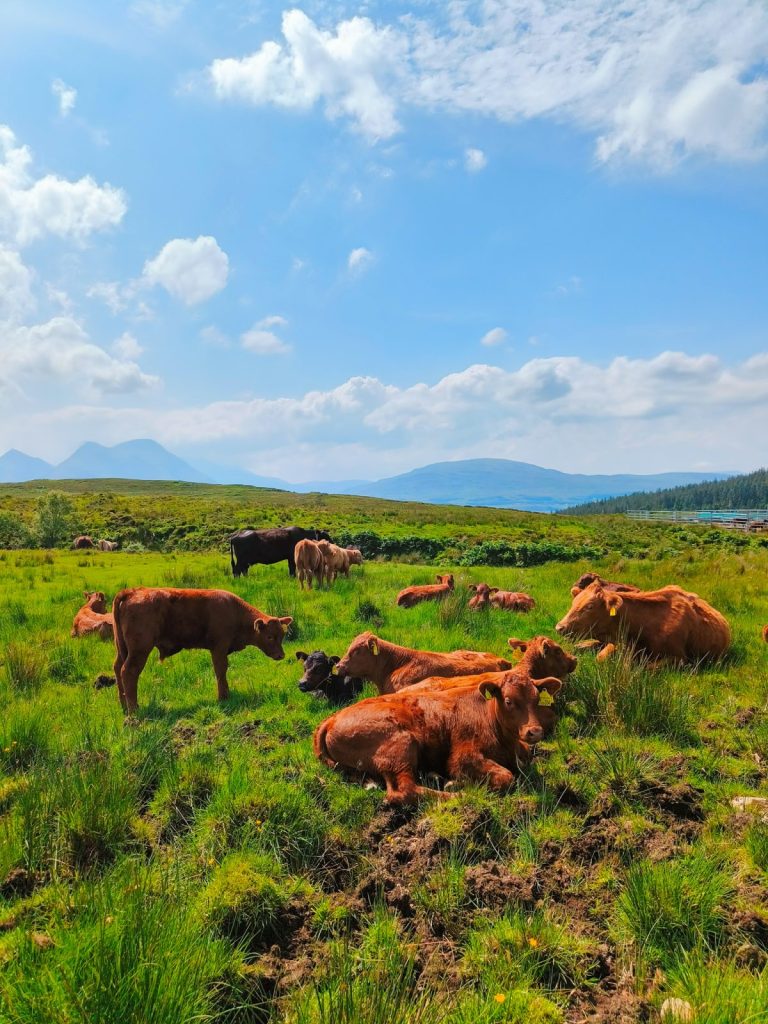
The island may be small (14 miles long, 3 miles wide) but there are many walks to explore and several animals to be spotted. Raasay is known for its wildlife, such as red deer, sea eagles, dolphins and many rabbits. The rabbits were originally introduced by a former landowner for their sport hunting. They’ve since multiplied and become a familiar sight across the landscape, thankfully now left alone to roam freely.
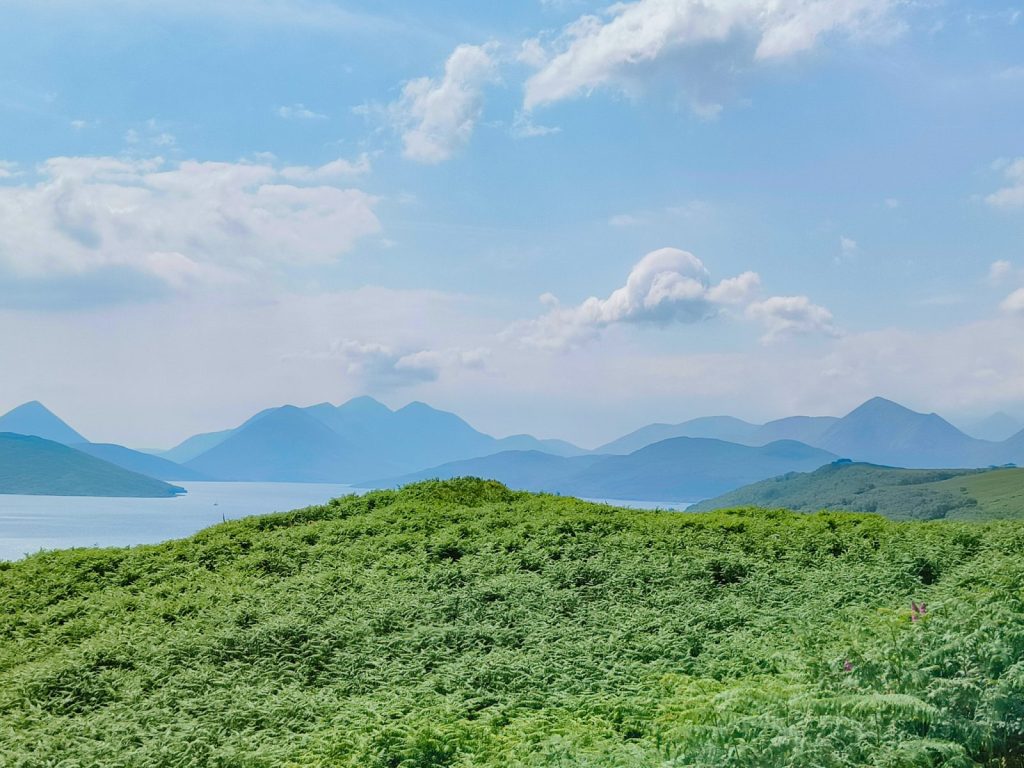
My favourite walks include a coastal road, which conveniently for day visitors begins from the ferry terminal. It offers beautiful views of the Isle of Skye and is reasonably flat. Alternatively, take the small road by car to Fearns from where you’ll find a grassy path with sea on your right and views of the mainland. Keep an eye out for whales and porpoises. Follow the path to Hallaig, Raasay’s largest township before the Highland Clearances. Across the sea you have views of Applecross and Torridon.
“I will wait for the birch wood
until it comes up by the cairn,
until the whole ridge from Beinn na Lice
will be under its shade.If it does not, I will go down to Hallaig,
to the Sabbath of the dead,
where the people are frequenting,
every single generation gone.They are still in Hallaig,
MacLeans and MacLeods,
all who were there in the time of Mac Gille Chaluim:
the dead have been seen alive.”– Hallaig by Sorley MacLean, 1952
If you have more time and would like to go higher up, Dùn Cana’s (Dun Caan) flat-peaked summit (432m) offers views of the Outer Hebrides and the mainland. You’re basically standing on the heart of an ancient volcano as Dùn Cana was formed from basalt lava flow nearly 70 million years ago. Just before you reach the summit, you’ll find Loch na Meilich, a mountain loch that is the main source of the island’s drinking water.
Don’t forget to bring a wee dram to treat yourself on the summit while taking in the views. Perhaps the distillery’s namesake whisky Dùn Cana, a lightly peated single malt with a secondary maturation in Pedro Ximénez and Oloroso sherry quarter casks. It’s not every day you get to visit an island off an island off another island! Like a matryoshka doll of islands – each nestled beyond the last, each with its own unique personality.
Are you a fan of Raasay single malt? Have you visited the island yet?
Disclaimer: This blog post is not sponsored by Raasay Distillery, however I did stay at the distillery for free. As a cask owner, you get night in the hotel. A similar article previously appeared in Best of Scotland Magazine, where it was published as a commissioned feature.
Some of the links used are affiliate links. If you buy through the links, I may receive a commission for the sale. This has no effect on the price for you.

Inka Larissa is an award-winning freelance spirits writer, content creator and Whisky Influencer of the Year 2026. Writing about whisky, cocktails and spirits since 2015, she explores the world of spirits from seed to glass. She is also co-host of the Whisky Sisters podcast.