
American Single Malt Whiskey has only recently received an official definition. After years of lobbying by the American Single Malt Whiskey Commission (established in 2016), the production standards were finally confirmed, and the new rules took effect in January 2025.
The last time the US government added a new type of whiskey to its regulations was in 1968, when it included light whiskey. This update gives American single malt long-needed clarity. The new production standards will protect producers and help to stabilise the category. It will increase consumer confidence and show the world that American Single Malt (ASM) is a true whiskey category with consistent standards.
What is American Single Malt?
To be labelled an American single malt whiskey, the spirit will have to follow specific production standards:
– Made from 100 per cent malted barley
– Distilled entirely at one distillery
– Mashed, distilled and matured in the United States of America
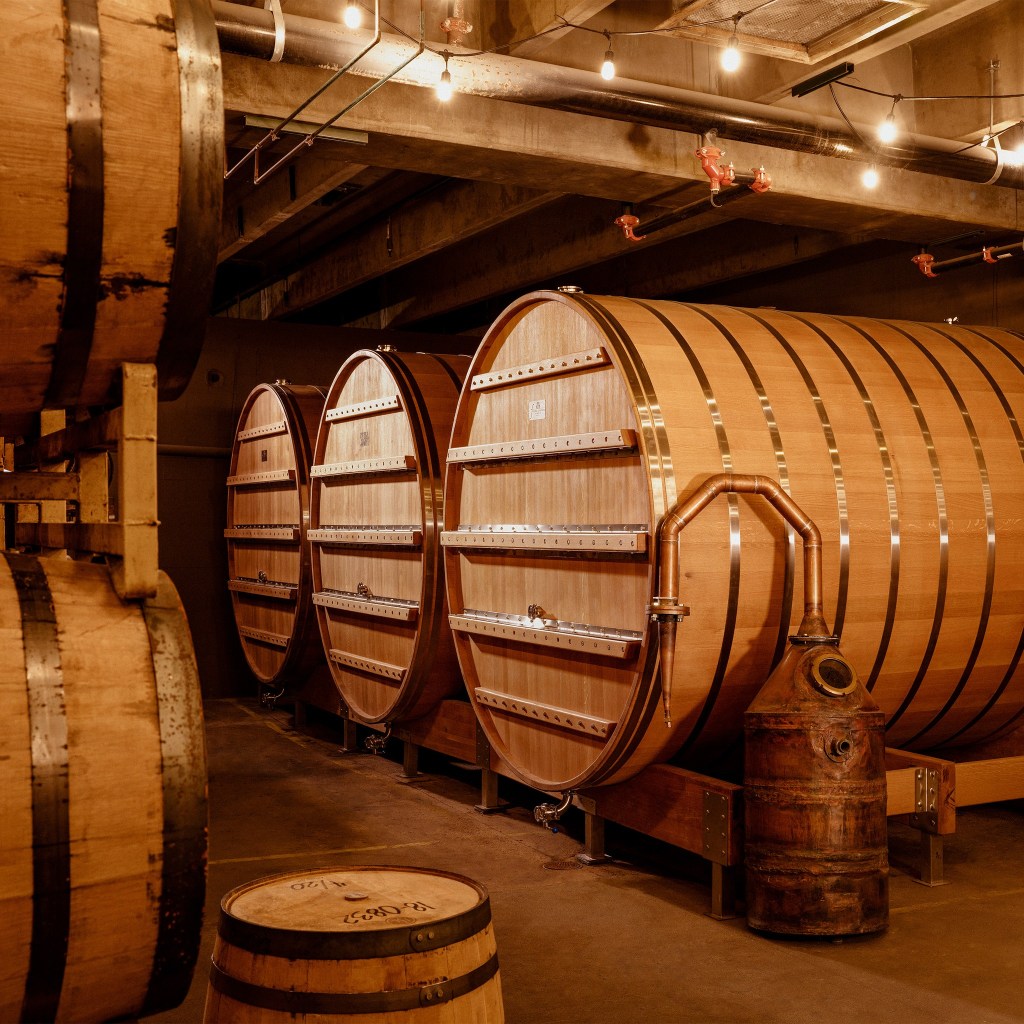
– Matured in oak casks of a capacity not exceeding 700 litres
– Distilled to no more than 160 proof (80% ABV)
– Bottled at 80 proof or more (40% ABV)
The distilleries that are part of the American Single Malt Commission have also pledged to be as transparent as possible by using clear labelling and marketing materials to avoid confusing or misleading the consumer. The labels will also clearly state the city and state of both the distillation and the bottling.
Production
The key regulatory differences between single malt scotch and American single malt are the distillation method (ASM allows various still types), the length of ageing and the freedom when it comes to cask types. Scotch can only be matured in oak casks that previously held wine, beer/ale, or spirits as long as those liquids were traditionally matured in wood and contained no added fruit, flavouring, or sweetening.
American single malt, by contrast, has almost no restrictions: any oak cask up to 700 litres is allowed, new or used, regardless of what it held previously. For example, they could choose to use plum wine casks or gin barrels. The US producers also have easy access to unique native oak species from Garryana to Ozark as well as local wine casks.
Regional differences
Unlike with Scottish single malt, the US doesn’t have specific whiskey regions. But scanning through some of the locations and distilleries, it feels like regional styles are slowly forming. ASM still has more freedom when it comes to casks and maturation times, which all makes sense considering the size of the country and the severe weather differences between states.
Learn more about the Types of Casks and How They Influence Whisky from my previous blog post.

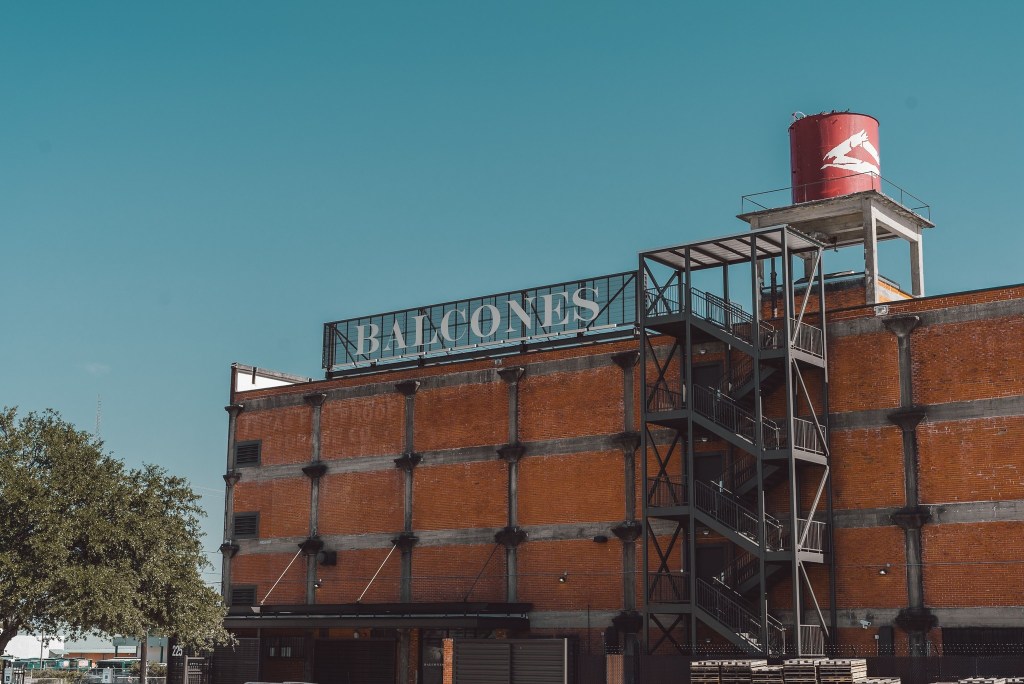
The angel’s share varies massively across the regions. For example, Texas can lose as much as 10–15% a year, the high altitude of Colorado contributes to around 4–8%, and the Pacific Northwest sits at 2–5% due to the cooler climate. So Texan whisky usually gets aged for 1.5–3 years but tastes as refined as a 6–10-year-old scotch.
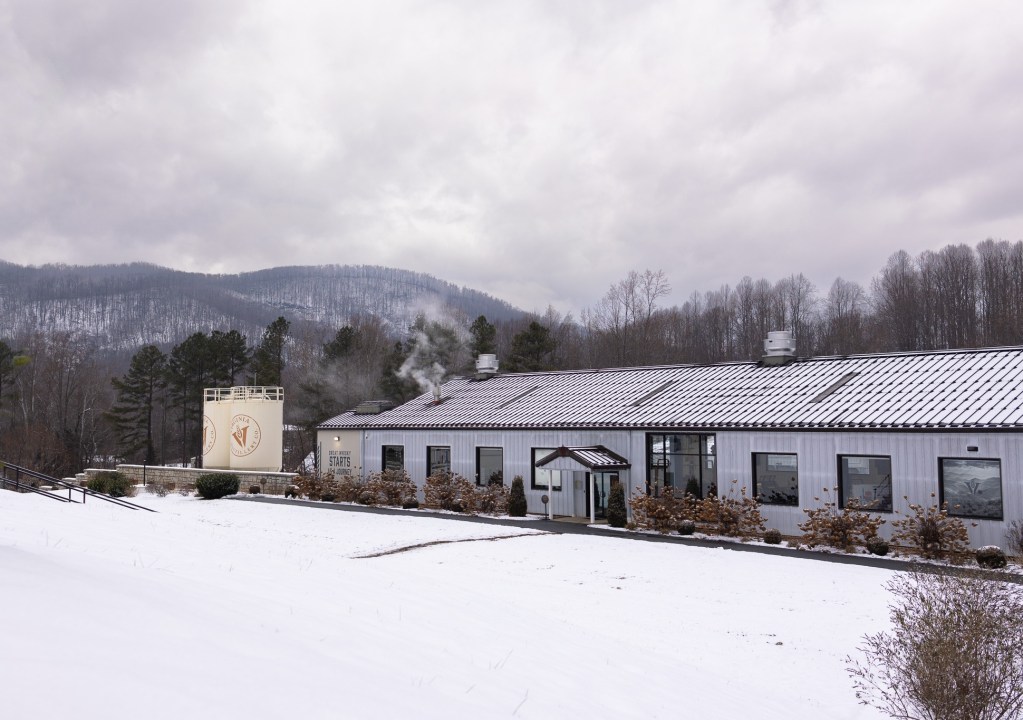
Other ways American single malt regions differ include the brewing culture of the Pacific Northwest, the Midwest, where farm distilleries and grain‑to‑glass production highlight terroir, and the East Coast, where cooler climates and maritime influence create slower maturation and scotch-style flavour profiles. Pennsylvania is a good example of this agricultural heritage. The state was once a centre of early American brewing and malting, and it still produces barley and other grains today. Its four seasons and fertile soils make it naturally suited to grain cultivation, which continues to shape the region’s whiskey identity.
American Single Malt Producers
There have been distilleries making single malt in America long before these regulations took effect. The first ever American single malt came out in 1996 – McCarthy’s Oregon Single Malt, which is still made at Clear Creek Distillery. Like many single malt whiskey makers in the States, their inspiration came from visiting Ireland and/or Scotland. At Clear Creek they use peated two-row barley from Scotland and their mash is made by a local brewer. Not only were they the pioneers of American single malt but they were the first to use Oregon oak.
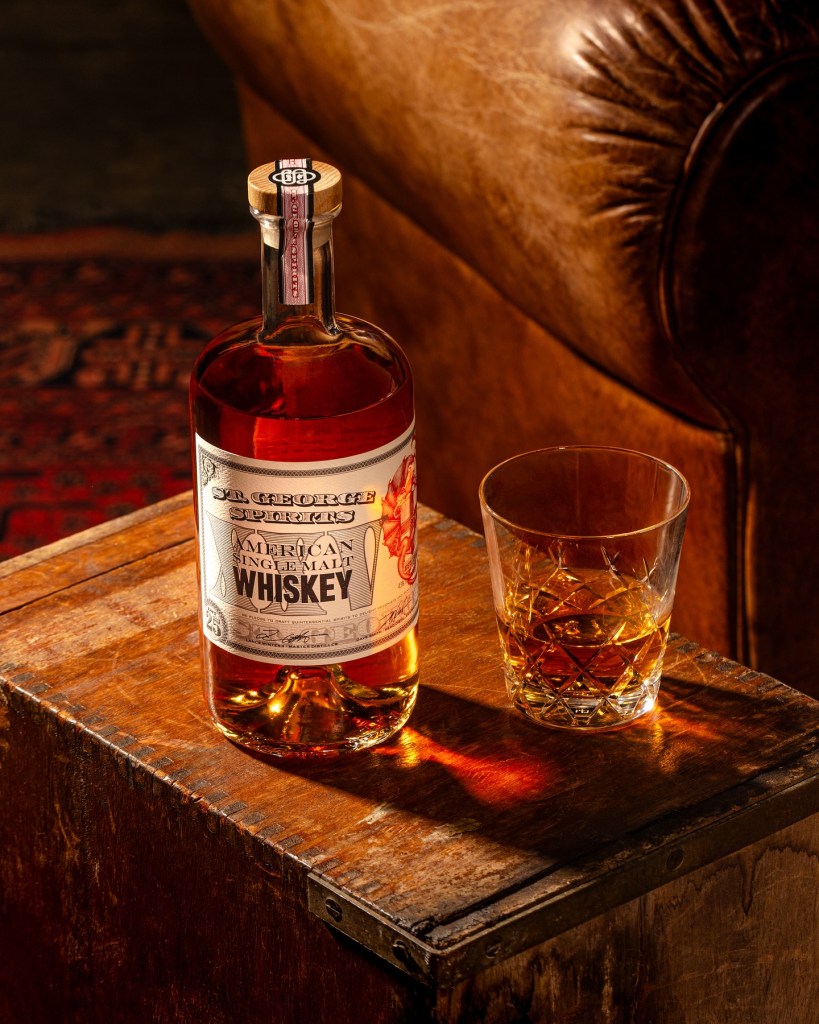
California-based St George filled their first casks in 1997 and brought out their first single malt back in 2000. Stranahan’s in Denver, Colorado, released their first bottles in 2006.
Westward Distillery from Portland was founded in 2004. They are probably one of the most internationally recognized American single malts, with a strong presence in Europe and Asia.
Where many American single malts lean on cask influence, Westward leans on brewing culture. First, they brew an American pale ale using locally grown two-row malted barley from the American Northwest. This is then double pot distilled. The spirit matures in new, heavily toasted and lightly charred American Oak barrels, shaped by Oregon’s climate: hot, dry summers and cool, wet winters. It’s the seasonal swing that adds character to their whiskey.
So, I guess you could say their whiskey is brewed like ale, distilled like single malt and aged like bourbon.
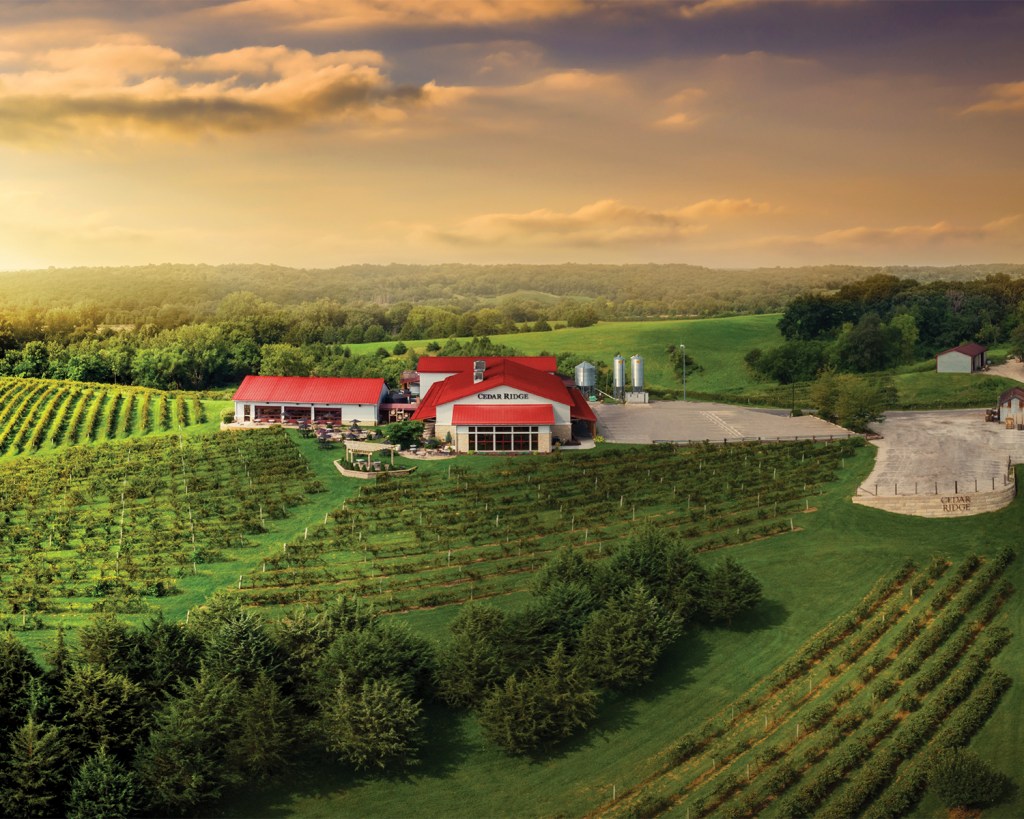
Most Midwest distilleries are heavily focused on sourcing barley from local farmers; Whiskey Acres even grow their own grains on the family farm. Cedar Ridge and Journeyman work with local farmers, while La Crosse partners with a single organic farm.
Today, the number of active single malt distilleries is estimated at around 200–250. Hopefully, the American Single Malt Commission will be able to confirm the number in due course.
Overall
It’s an exciting time for American single malt! The category is still young enough to feel experimental yet established enough that regional characteristics are beginning to take shape. Not that regional unity is that important, but it can help to understand how these areas differ from one another and how their unique climate, location, barley varieties and other production methods contribute to the style of whiskey they are making.
Producers are pushing barley, climate and maturation in genuinely different directions, and the results are already far more diverse than many whiskey drinkers realise. It’s a category I plan to keep a close eye on, especially as more bottles make their way into the UK and EU, giving us a clearer view of how this category evolves over the next few years. Will you join me on a journey of American single malt?
Try these:
Westward American Single Malt, 45% ABV
This is made using locally grown barley, it’s double pot distilled and aged in lightly toasted American oak barrels. Lime sweets, Easter egg and creamy vanilla on the nose, lovely syrupy mouthfeel with notes of cooked apple, baking spices, mint and fruity beer on the palate. Thumbs up from me!
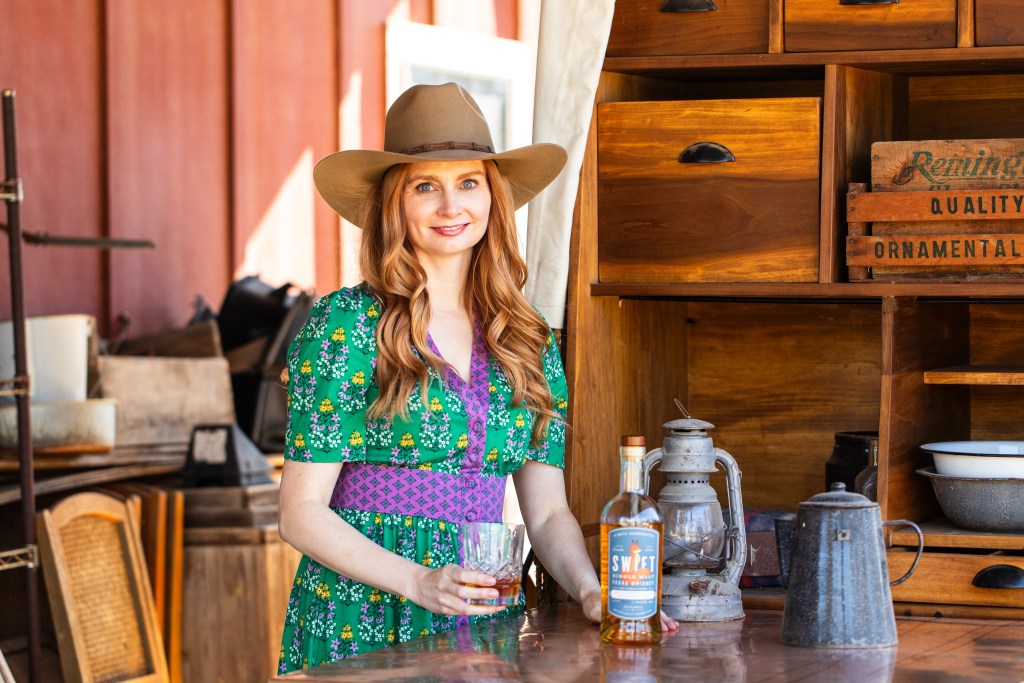
Swift Single Malt Texas Whiskey Oloroso Finish, 43% ABV
Swift is your ultimate summertime whiskey with aromas of clementines, floral honey, fresh grass and flavours of honeysuckle, lemon peel and peach. The whiskey has a nice viscosity on the palate also. Made with two-row malted barley from Scotland, distilled in a pot still and aged in Kentucky Bourbon barrels with level 3 char before finished in Oloroso sherry casks.
Listen to the latest Whisky Sisters Podcast episode to learn more about Swift Distillery.
Westland Peated Single Malt, 46% ABV
I haven’t come across many peated American single malts so this sure feels special. Made with both heavily peated and unpeated spirit and aged in American oak. Tropical fruits, citrus peels and smoke on the nose, brown sugar, chocolate, coffee beans, creamy oats and nuttiness on the palate, plus a lovely mouthfeel.
St George Baller Single Malt, 47% ABV
This unique single malt is matured in a combination of ex-bourbon casks and French oak ex-wine casks, then filtered through maple charcoal before being finished in ex-umeshu casks. They made the Japanese-style plum liqueur at the distillery using California grown ume fruits.
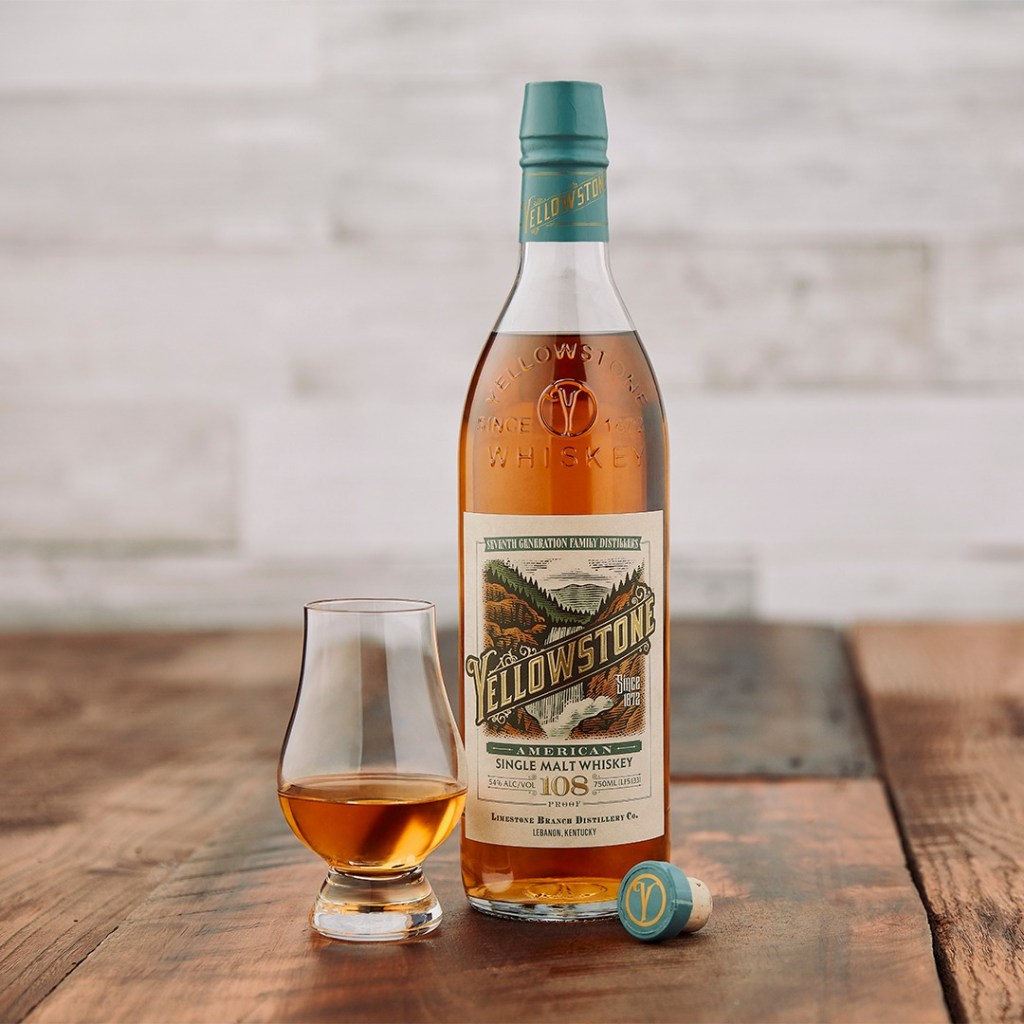
Yellowstone American Single Malt, 54% ABV
This is a fruity one with notes of juicy pears, apricot, dates and honey. Cinnamon, nutmeg and nuttiness on the finish.
Disclaimer: Some of the links used are affiliate links. If you buy through the links, I may receive a commission for the sale. This has no effect on the price for you.

Inka Larissa is an award-winning freelance spirits writer, content creator and Whisky Influencer of the Year 2026. Writing about whisky, cocktails and spirits since 2015, she explores the world of spirits from seed to glass. She is also co-host of the Whisky Sisters podcast.