

There are a growing number of independent, often family-run, distilleries in Scotland, and some of them are working farms that grow the grain for their own whisky. What makes these independent farm distilleries special is the way they oversee every stage of production, from tending the fields to bottling the spirit. Rather than chasing volume, they focus on the quality of their ingredients, and they produce only what their land can naturally support.
Lochlea
Lochlea is based in the heart of Ayrshire. Initially, Lochlea was a dairy farm. From there it changed to farming pedigree beef cattle, and from 2015 onwards they have been growing malting barley. Once they mastered barley farming, they were ready to embark on a new project – distillation of single malt from their very own barley. Construction began in 2017 and the licence was granted the following year. Lochlea Distillery was made using existing farm buildings such as a piggery, byre and cattle sheds.
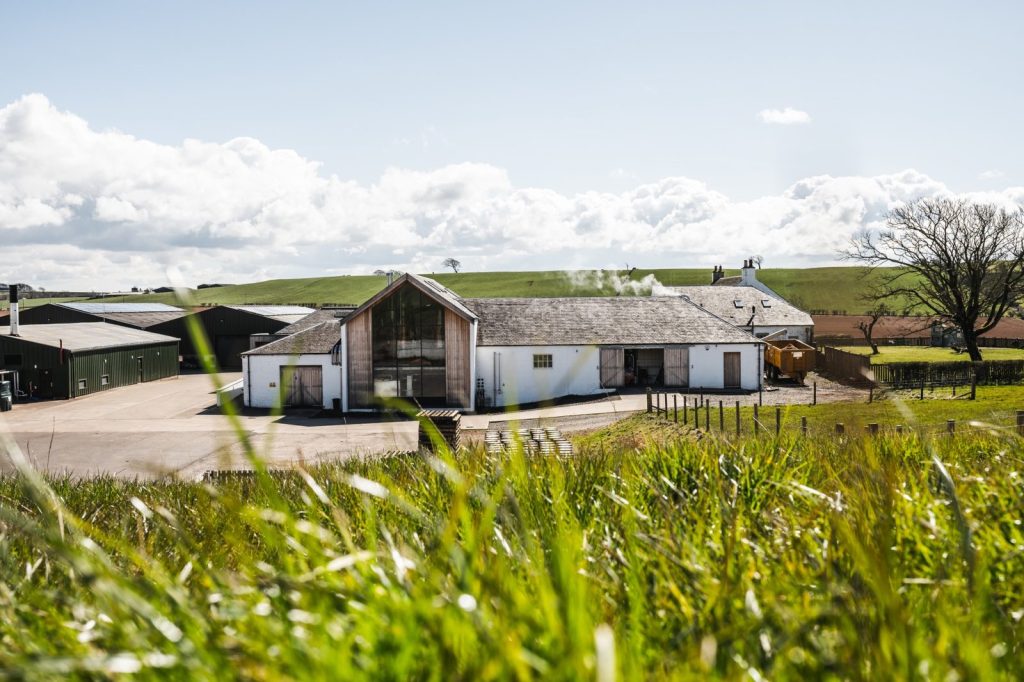
As a farm distillery, Lochlea is heavily focused on sustainability throughout their practices. The straw left after harvesting the barley is baled and used by neighbouring farmers for winter cattle bedding. It later returns to the farm as nutrient‑rich farmyard manure, which is spread on the fields before ploughing to boost soil health, organic matter, and aeration.
Also, after the barley is harvested, they grow mustard and radish as cover crops to improve the soil and prevent erosion. The pot ale is used to generate electricity at a biogas plant, and spent lees are filtered through an on-site treatment bond. The draff feeds the cattle, and solar panels are used on-site for electricity.
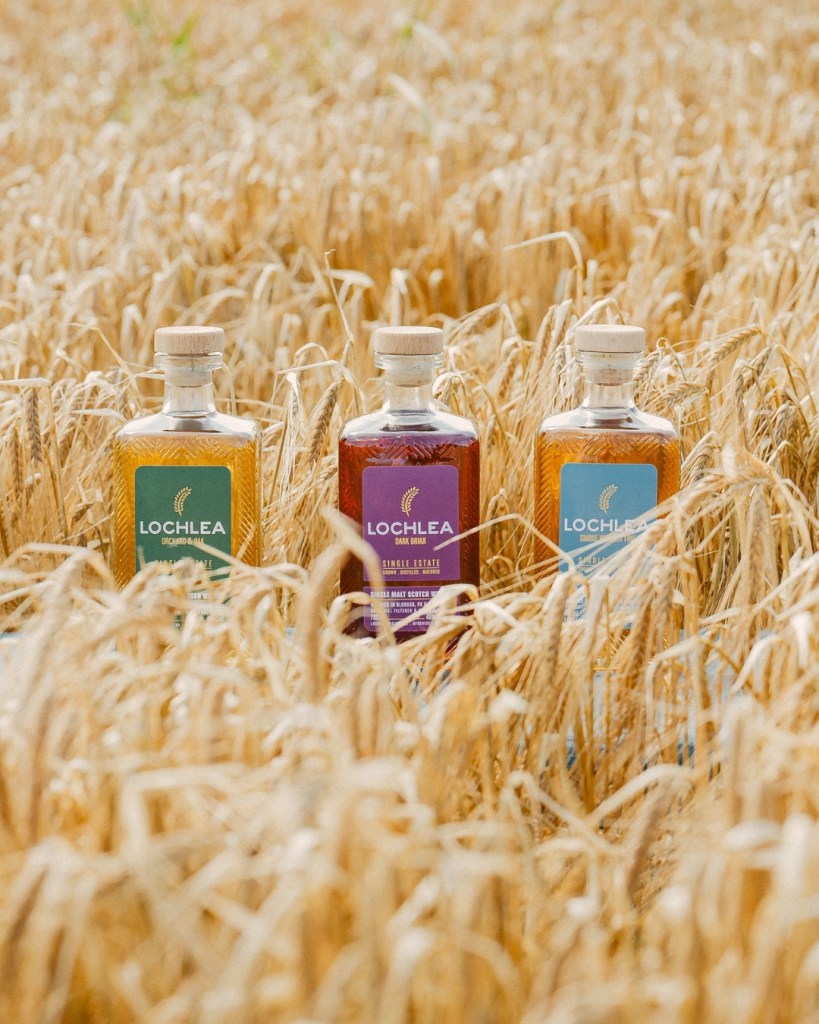
The distillery has recently launched its official core range with four releases, all with a variety of cask combinations, from bourbon to calvados. Their oldest release to date is seven years.
Fun fact: The Scottish national poet, Robert Burns, once worked the farms and called Lochlea his home from 1777 until his father’s death in 1784.
Try: Lochlea Dark Briar 46% ABV (PX, Oloroso & Port) or Lochlea Cask Strength Batch 3 59.8% ABV (Peaty Islay Casks & Oloroso)
Ballindalloch
Ballindalloch Distillery is built into an old farm steading which is part of the fabulous Ballindalloch Highland Estate that includes a castle, gardens, golf course, holiday lets and a farm. The old steading had seen better days, and the Estate owners were considering a range of ideas for it. Finally in 2011, they decided on a distillery. However, it took some time to repair the old building, which dates back to 1848. With the help of local craftsmen, they gave new life to the building, renovating everything from the stonework and the slate roof to the woodwork inside the building. Finally they were ready to begin distilling in 2015.
Speyside is packed with distilleries, most of them large‑scale operations owned by major corporations. Ballindalloch set out to do things differently. From the start, the vision was a small‑scale, grain‑to‑glass distillery rooted in the rhythms of the Estate.
Ballindalloch was always intended to be a true single estate distillery, from growing their own barley to feeding the draff back to their Estate cattle. This is not the first time Ballindalloch Estate tried their hand at whisky making. Their distilling dates back to the early 1820s. Today, the distilling remains deliberately modest compared to the giants of the regions, with around 100,000 litres a year.
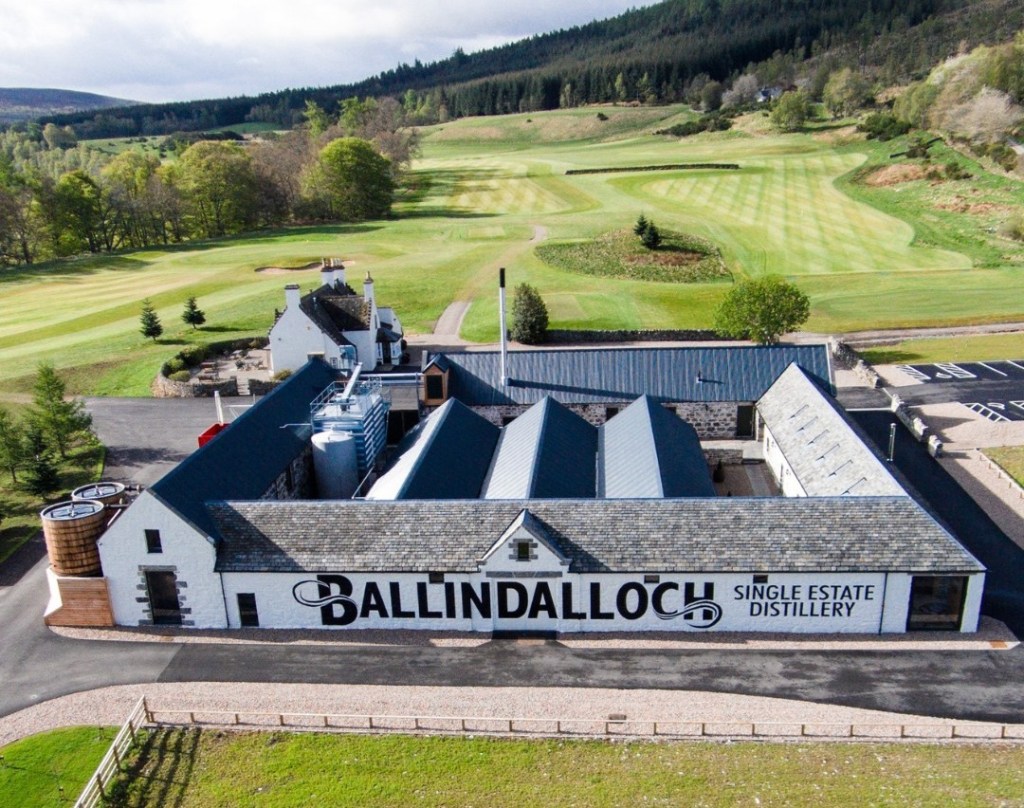
The Estate has remained in the Macpherson-Grant family for centuries. In1499, King James IV granted the lands of Ballindalloch and Glencairnie to John Grant of Freuchie as a thank you for his service. Later, in the 1540s John Grant’s grandson built the castle at Ballindalloch. From then on, different generations farmed the land and took care of the Aberdeen Angus cattle (now the oldest herd in the world).
As the years went by, the Estate had to shift with the times. From the late 1970s onwards, Clare Macpherson-Grant and her husband Oliver Russell expanded the Estate into forestry, then to tourism and to country sports from golf to fishing. And now, their son and his wife have begun distilling single malt at the Estate. All these changes ensure the future of the Ballindalloch Highland Estate.
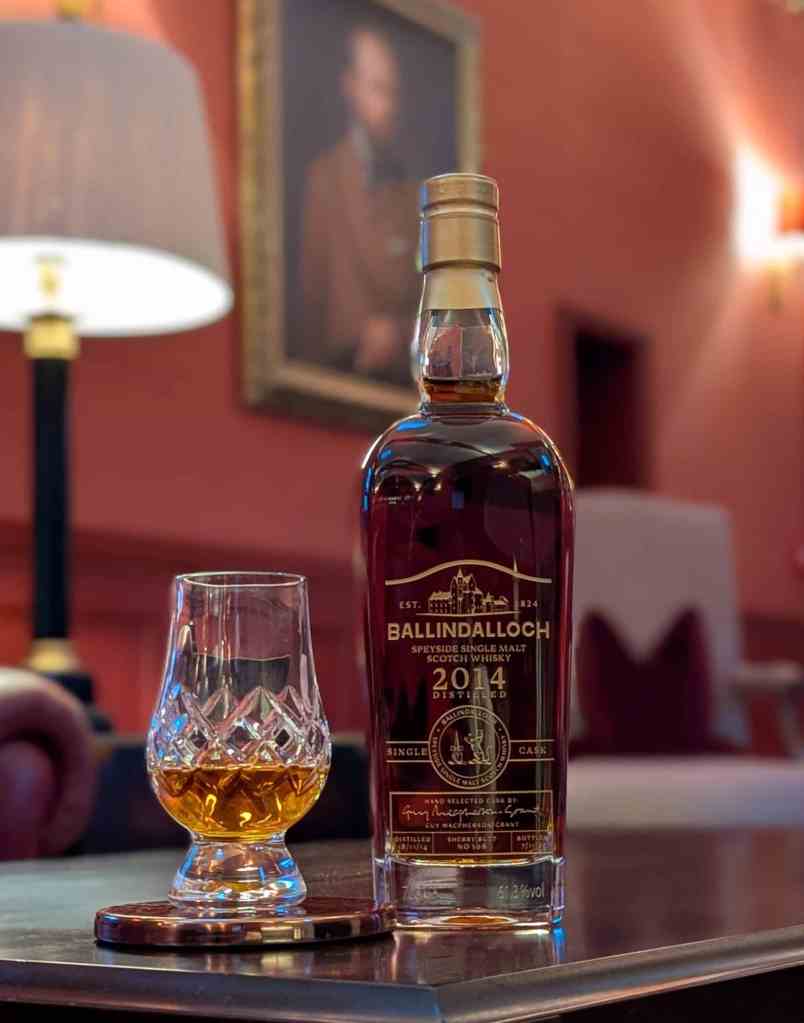
Try: Ballindalloch 2016 Vintage 48% ABV (ex-Bourbon), Ballindalloch 2014 Cask 106 61.3% (A must for the sherry lovers, the oldest expression to date)
Daftmill
Daftmill is one of the lowest-output distilleries in Scotland, with production of roughly 20,000 litres per year. The distillery operates in harmony with the farm where its main business is growing cereals (mainly malting barley) and potatoes and rearing beef cattle. It also produces carrots and broccoli.
The distillery operates on a seasonal basis around the farming calendar, which means it makes whisky when there’s a quiet(er) period in the farm work. Daftmill releases a winter batch and a summer batch, which are aged over ten years. These whiskies vary from release to release depending on the casks and barley used. Unfortunately, each batch sells out fast and often ends up in collectors’ hands.
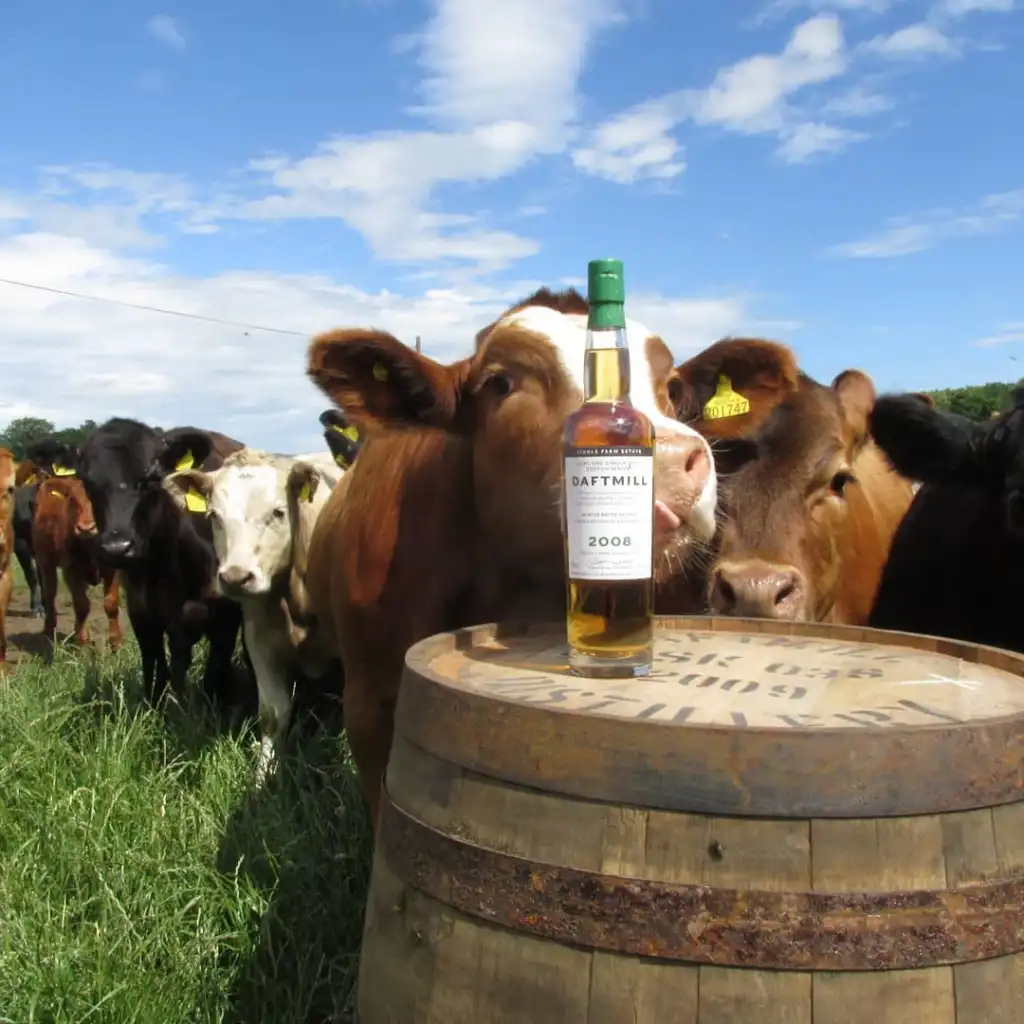
Daftmill Distillery is built into an old mill building, which took a good couple of years to repair and convert into a distillery. The licence was granted in 2005, which is when the distilling began. Unlike many other distilleries at the beginning of their journey, Daftmill waited for 12 years before they released their first single malt. All their releases since then have been at least ten years old, with the oldest being 15 years.
Try: Daftmill 2012 Summer 46% ABV (Bottled in 2025, matured in 1st-fill bourbon), Daftmill 15-year-old 56.3% ABV (fist time a little PX has been added in the mix)
Arbikie
Arbikie Distillery brought rye whisky making back to Scotland. Their inaugural whisky was the first Scottish rye for nearly 200 years.
The Arbikie Highland Estate is a working farm and one of the largest potato farms in Britain. The Stirling family started farming on the west coast of Scotland in the 1660s, but after many generations, they moved the farm to the east coast of Angus around the 1920s. It is currently owned by three brothers: Iain, John and David Stirling.
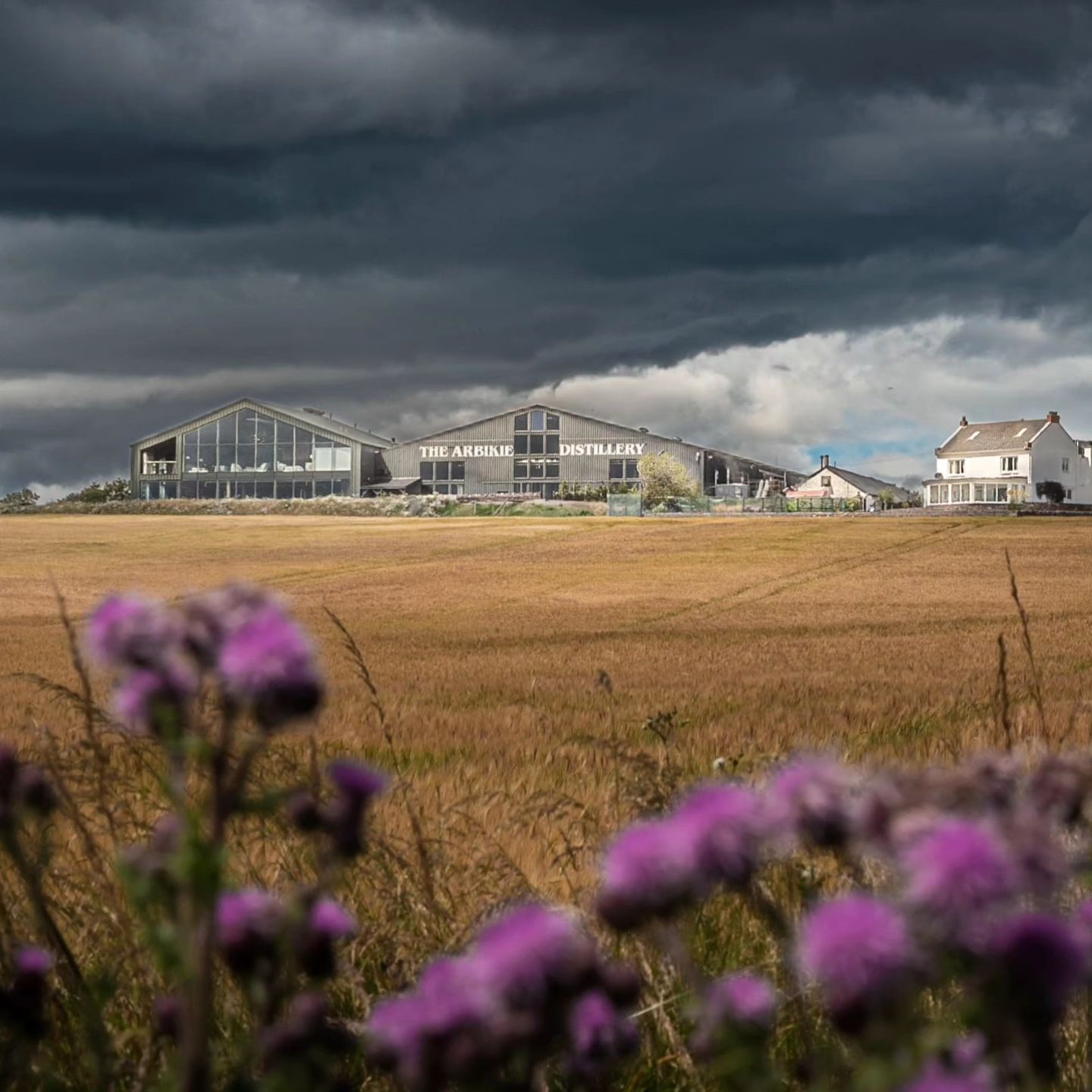
The brothers all grew up working on the farm, and after pursuing careers away from the family land, they all returned to work together to start something new on the Estate. It was something they all felt passionate about – they turned an empty farm building into a distillery right smack bang in the middle of the farmland.
They are passionate about sustainability and have received B Corp status. Arbikie is a genuine field-to-bottle operation. Everything is created on-site, they use solar energy, and the waste products feed the cattle or are used as natural fertiliser. Distilling needs steam, and most distilleries create it by burning fossil fuels. Arbikie added a new green‑hydrogen electrolyser, which will generate steam with zero carbon emissions without changing how they make their spirits.
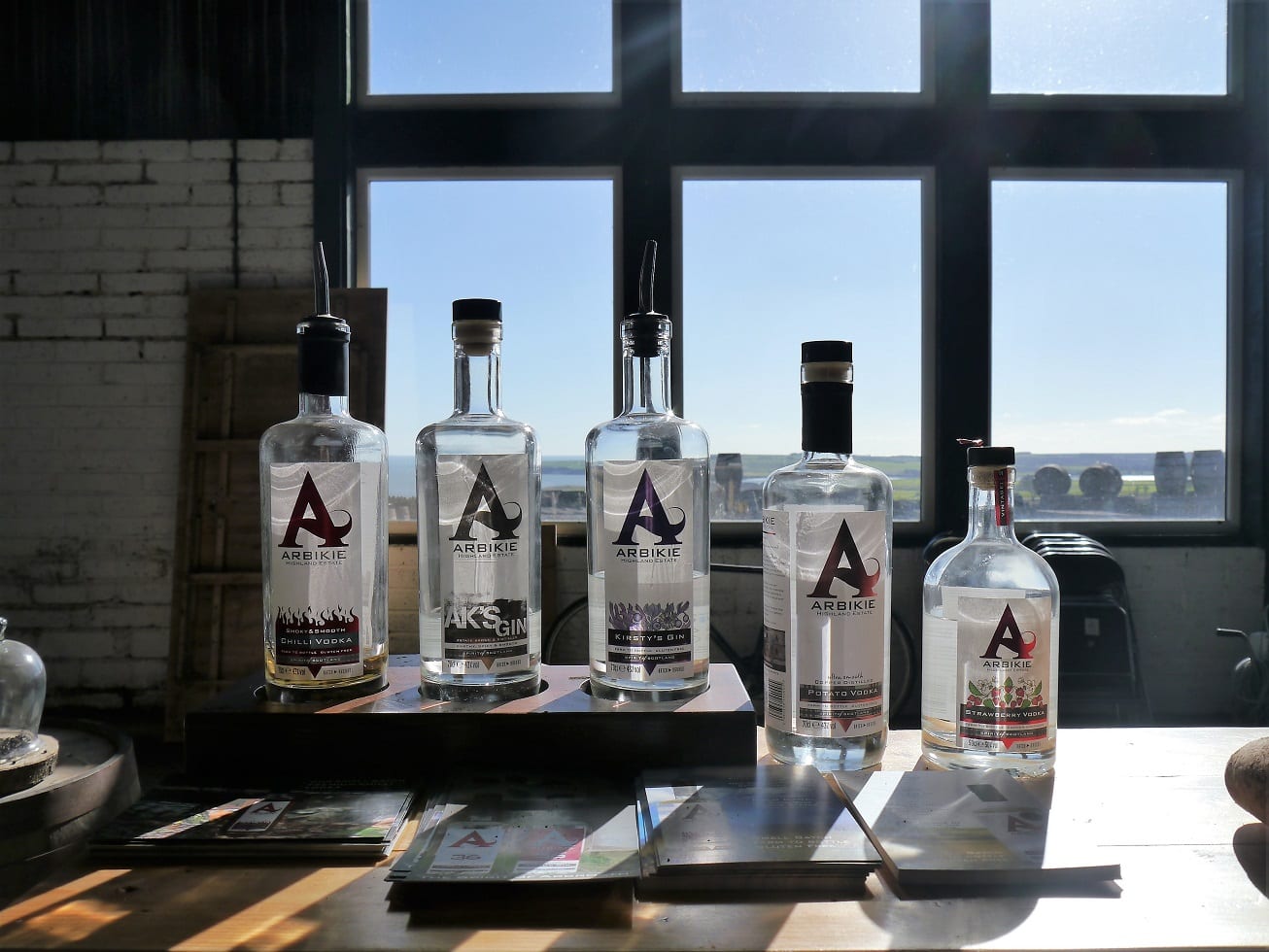
The first Arbikie Highland Rye came out in 2018. Today their core range includes The Original, The Peated and The PX – all with the same grain blend of 60% winter rye, 25% spring malted barley, 15% winter wheat. The limited-edition releases play around with various casks and cereals. The distillery’s first ever single malt will be bottled this year. Many might know the distillery better for their award-winning gin and vodka selection.
To learn more about single grain, see my previous blog post Single Grain Scotch Whisky Explained.
Aberargie
Aberargie Distillery is an independent distillery owned by the Morrison family. It is a true single estate distillery as the barley varieties used for their whisky making are grown on the 300 acre family farm, located just south of Perth. They use two varieties: Golden Promise and Laureate.
After nine years of patience, the distillery is ready to release its first ever single malt whisky. Carefully selected from its earliest casks, although it is not yet known what the age of the release will be, it certainly marks a big milestone for the Perthshire distillery. Available in March 2026.
Balmaud
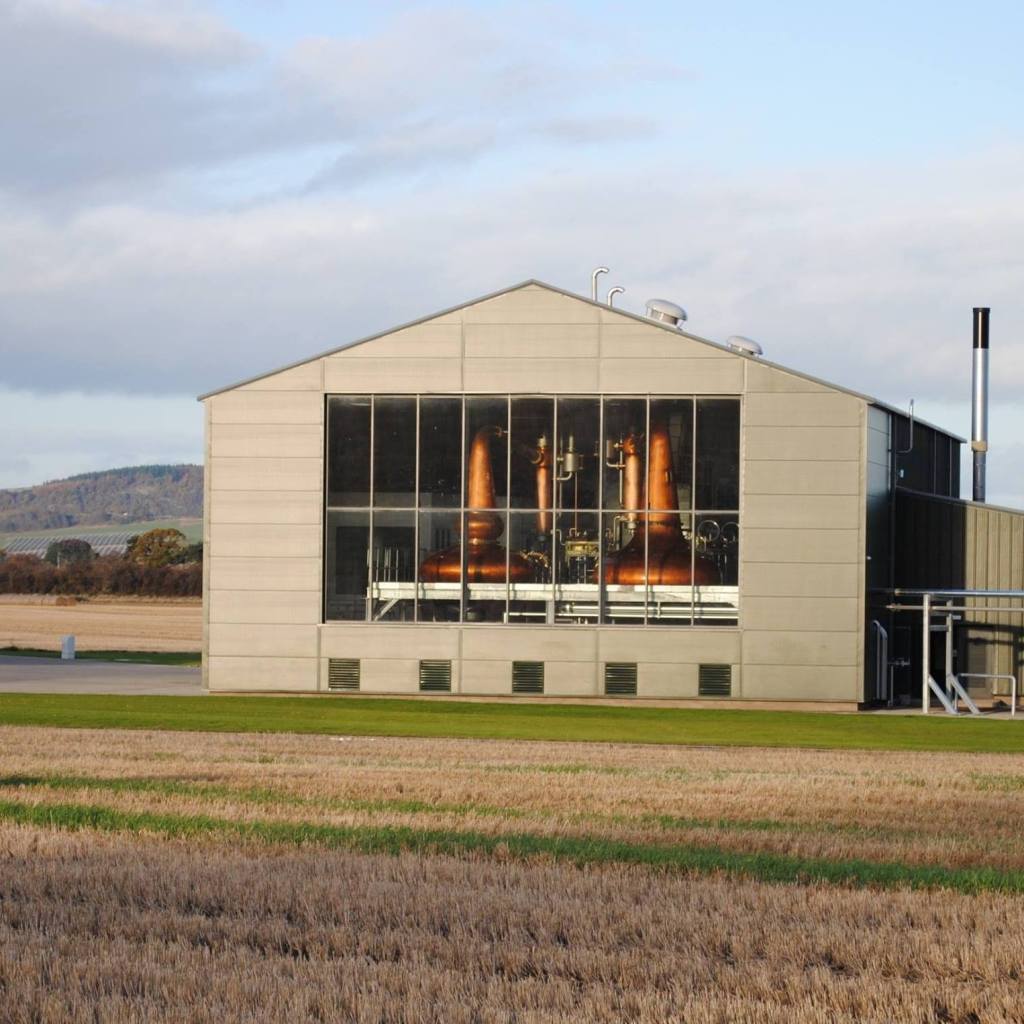
Balmaud is a new Highland single estate distillery. In fact, it was their stunning social media posts that got me intrigued to learn more about the various independent Scottish farm distilleries. At Balmaud they want to combine tradition and innovation by using modern distilling technology with a sustainable infrastructure and having complete control of the process, from grain to glass. Old School Farmers. New School Distillers.
The Strachan family have been farming barley for decades. With over 1,750 acres across Aberdeenshire, the family is one of the most respected suppliers of malting barley. Now they are also using their barley to make their own whisky. The distillery is already in operation; however, the site remains under construction. Once fully finished, they have plans to open for tours at least in some capacity.
Currently, there are over 2000 barrels quietly maturing in their on-site warehouse. Their single malt will be unpeated and matured in first-fill Bourbon and ex-Pedro Ximenez casks. The first whisky will become available mid-2028 assuming they are happy with the results.
Kilchoman
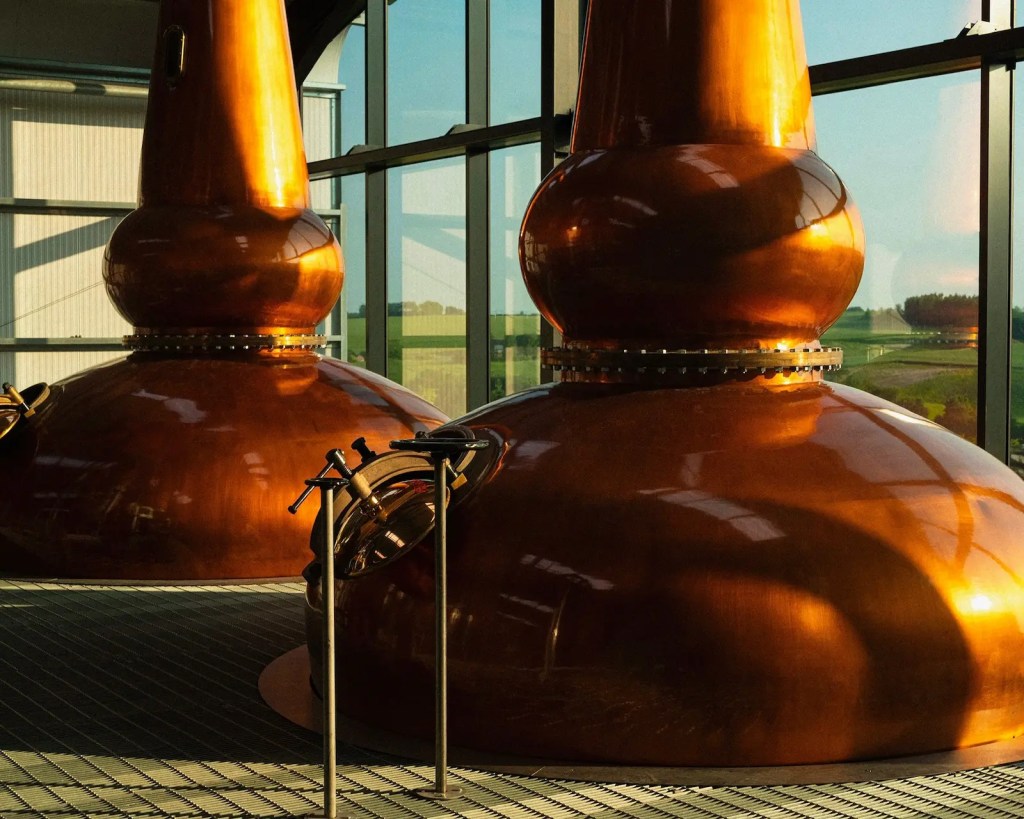
Kilchoman Distillery is the oldest of the bunch and is already well established in many countries. They celebrated their 20th anniversary last year (2025) and have recently released a few age-statement bottlings from ten to 13 years. The husband-and-wife team, Anthony and Kathy, were joined by their three sons as the business grew. Kilchoman Distillery was the first new distillery on Islay in over 124 years. Anthony does the job of the Managing Director as well as Master Distiller. Kathy runs the Visitor Centre, with the sons taking care of sales and marketing.
As an Islay distillery, most of their releases are heavily peated, with only a handful of exceptions. Even the rare unpeated expressions are often described as carrying a trace of smoke – perhaps a touch of that unmistakable island DNA!
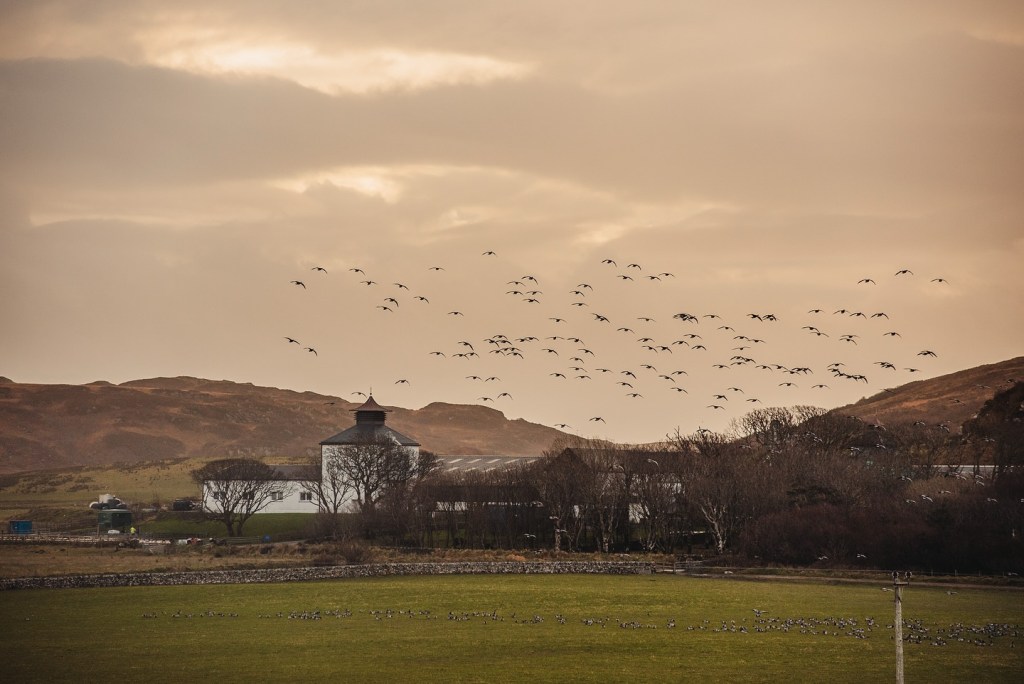
They can grow up to 440 tonnes of barley annually on the fields around the distillery. They farm a variety of landscapes and cover 2,300 acres, with the most fertile ground (400 acres) being around the distillery. Sown in the spring after a whopping 50,000 geese have begun their journey, the barley matures throughout the summer months and is harvested in early autumn.
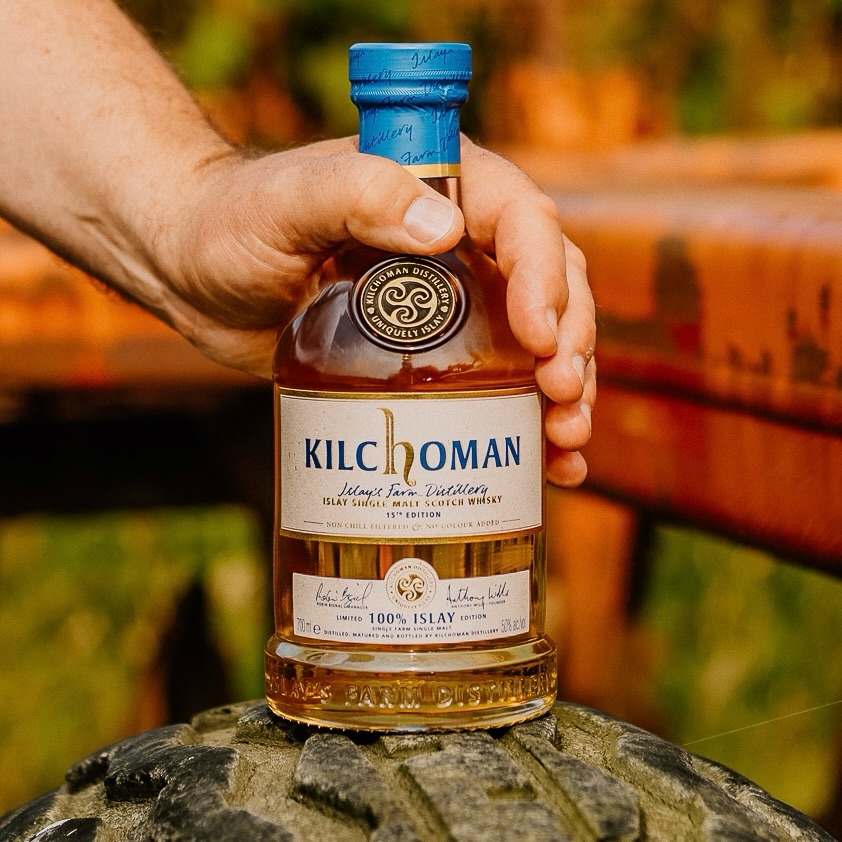
Once the barley is harvested, the malting will take place. Traditional floor malting is a demanding process. Four to six tons of malt is turned by hand for 50 weeks a year. However, unlike other independent farm distilleries in this list, Kilchoman only uses the local barley for their 100% Islay single malt releases, the remaining whiskies are made using barley from the mainland, so it is not considered a single estate distillery.
Try: Kilchoman 100% Islay 11yo Sherry Matured 50% ABV, Kilchoman Batch Strength (re-charred red wine, oloroso & bourbon )
Others
There are a few more independent distilleries using local grain. These brands don’t actually own the farms but work closely with local farmers who supply the malting barley from the fields surrounding the distillery.
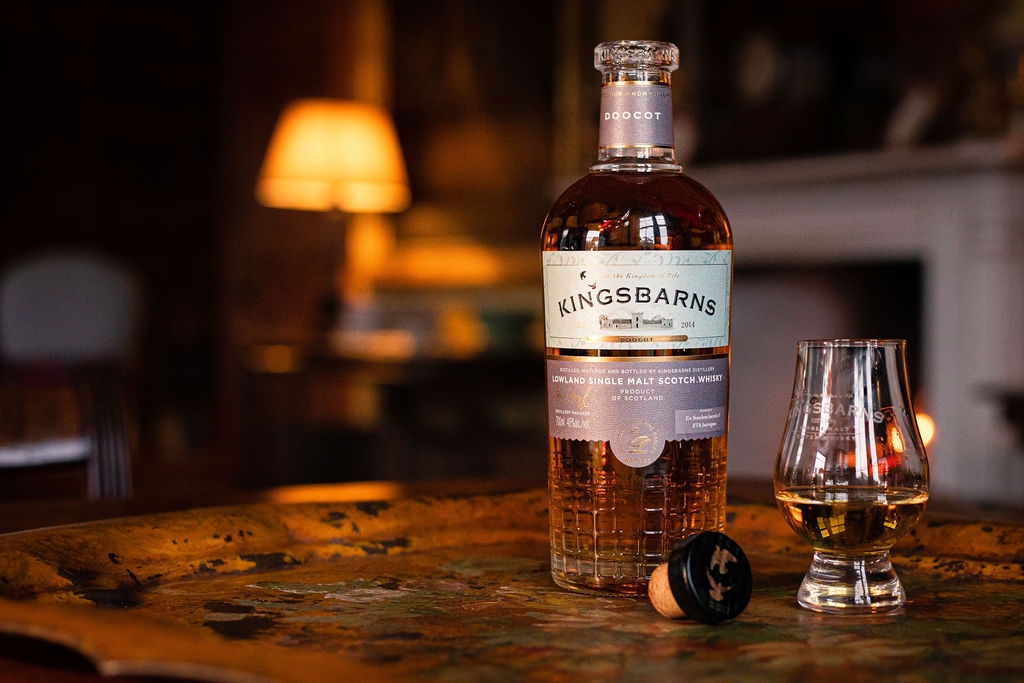
Kingsbarns, located near St Andrews, is an example of this. Originally an agricultural settlement, the name Kingsbarns comes from the location of the barns that were used to store grain. The family doesn’t own any of the farmland, nor they do any of the farming, but all their single malts are made using the barley surrounding the distillery.
Another new distillery using local grain is InchDairnie in Fife. The distillery was founded in 2011 and has been distilling since 2015. Its focus is on extracting maximum flavour through innovative methods. The distillery was literally built around its mash filter, which was installed before the walls and roof went up. This unusual system allows for greater flavour extraction, higher sugar yield, and the ability to handle a wider range of grain types.
Have you tried whisky from any of these independent farm distilleries? What do you think of the idea of using local malting barley?
Disclaimer: Some of the links used are affiliate links. If you buy through the links, I may receive a commission for the sale. This has no effect on the price for you.

Inka Larissa is an award-winning freelance spirits writer, content creator and Whisky Influencer of the Year 2026. Writing about whisky, cocktails and spirits since 2015, she explores the world of spirits from seed to glass. She is also co-host of the Whisky Sisters podcast.