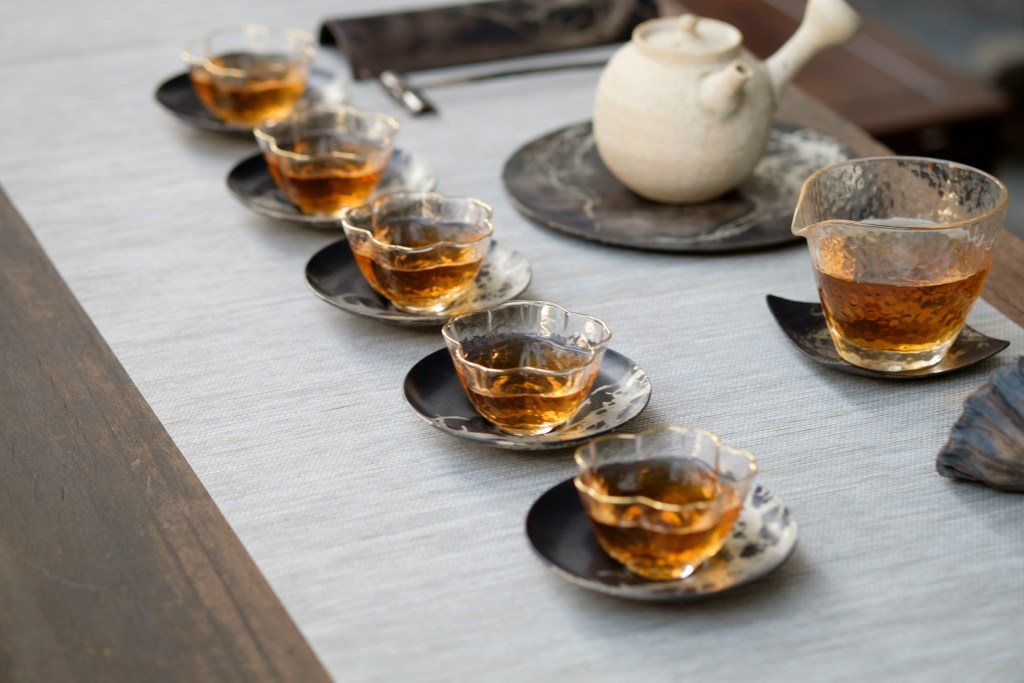
What does tea have to do with whisky, you may wonder? Not much, yet surprisingly, the two have a lot in common, whether in the flavours and aromas or in the ritual that comes with them.
A tea’s character is shaped by how the leaf is processed; similarly, whisky relies on casks, maturation and region. Just as tea-making regions (and countries) have their own techniques for bringing out specific flavours, Scotch whisky regions each have a signature style (generally speaking), from the maritime smoke of Islay to the sherried sweetness of Speyside.
And it’s not just Scotch. If you look at whisky producers globally, you begin to see similarities in production between regions, even where they aren’t officially categorised by location as they are in Scotland, whether in wood types, flavour profiles or local climate.

Take Lapsang Souchong, for example. This well-known smoky black tea is made in the Wuyi Mountains in China’s Fujian province. The leaves are dried over smouldering pinewood fires, not dissimilar to the way malted barley is dried over peat fires on Islay, each imparting a smoke that is now part of the region’s identity. Or look at Kyrö Distillery’s alder-smoked rye whisky, which follows an old northern tradition inspired by the Finnish smoke sauna. The malted rye is smoked in a 100-year-old “riihi” barn using alder wood. Whether the smoke is added to tea leaves or to grain, each can be tied to a specific local tradition.
It’s no wonder that whisky-loving Winston Churchill is said to have enjoyed Lapsang Souchong as his tea of choice, calling it “the whisky of the tea world”.
The Rituals: Tea and Whisky Side by Side
Tea has been used for medicinal purposes for centuries, while whisky was once prescribed by chemists and doctors. Some people (me!) still swear by a hot toddy when feeling under the weather.
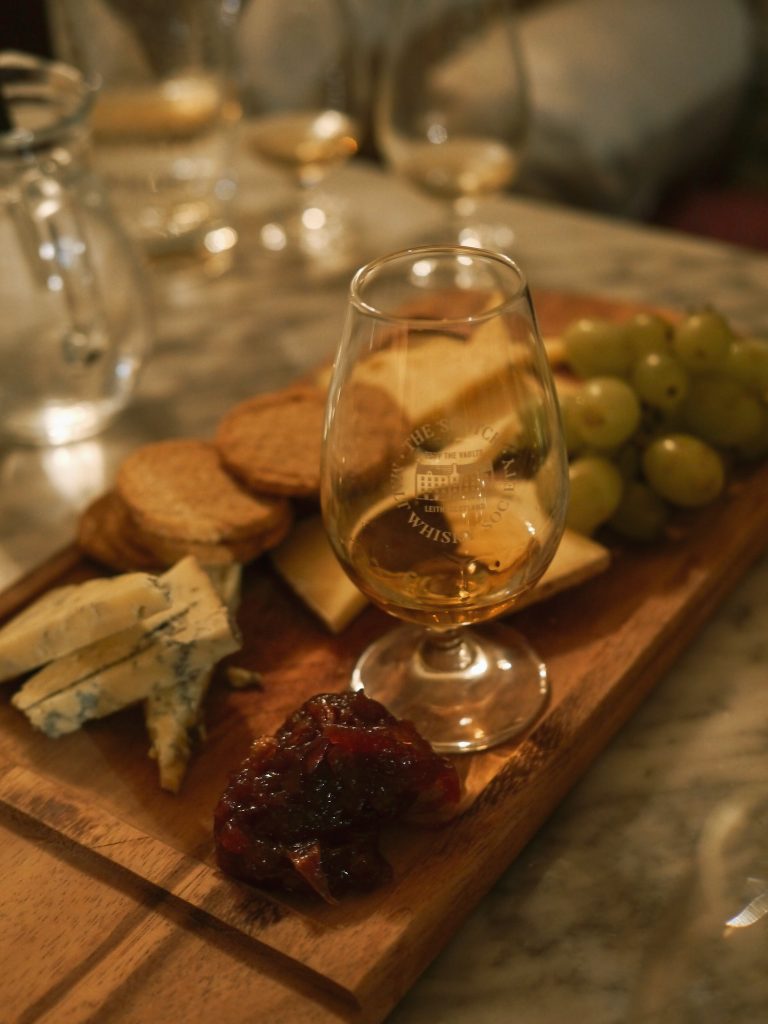
In many cultures tea-drinking rituals are linked to hospitality, unity and tradition. Even the precise way the tea is served – with milk, honey, sugar, how long it’s brewed and how it’s poured has similarities with whisky drinking traditions. Whisky has its own ceremony: you allow it to breathe in the glass, take in the aroma, admire the colour and the legs, taste it in small sips and add a drop or two of water. Both rituals ask you to slow down and pay attention.

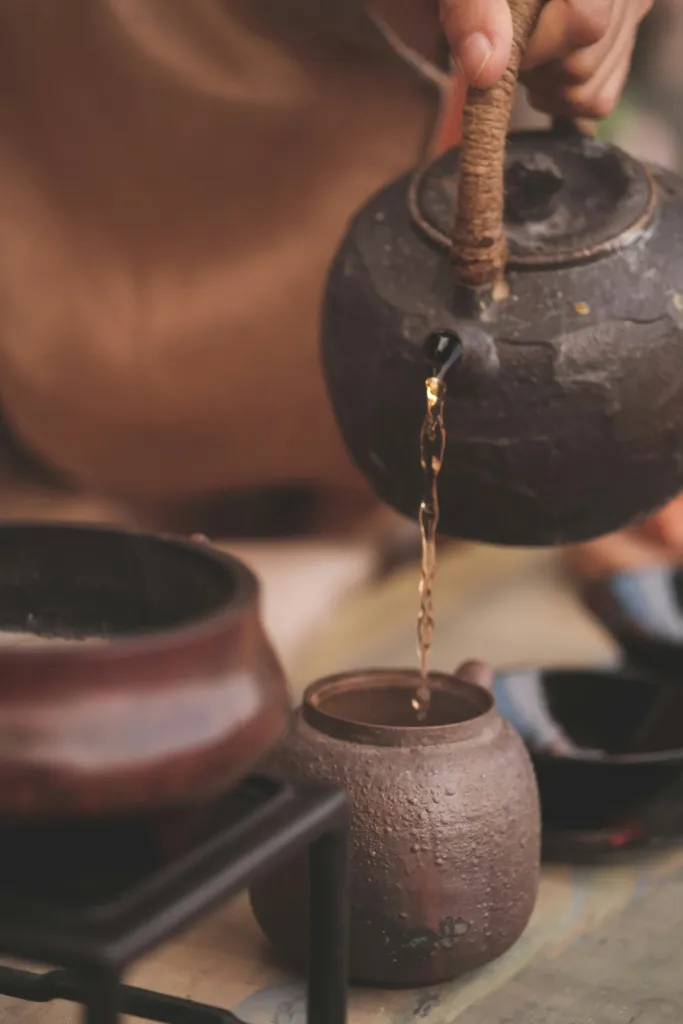
The Japanese matcha tea ceremony focuses on every gesture, from whisking to pouring, in which the tea bowl is admired as carefully as the tea, and the whole practice is built around hospitality rather than simply having a hot drink. It’s not so different from a serious whisky tasting, where the glass, the discussion, and the pace all matter as much as the whisky itself.
Or look at chai traditions in India: spiced tea is served at work, on the streets, at home, drawing people into conversation and bringing them together. Whisky does something similar. You might walk into a whisky bar alone and leave having connected with strangers over nothing more than a shared interest in the spirit, its stories, and the flavours in the glass.
It all seems to come down to appreciating the small things, and the connections you make through the ritual. Many tea drinkers enjoy a biscuit or two with their cuppa (dunking is optional), and whisky pairs well with snacks too, from chocolate-coated fruit to nuts and crisps. I feel there’s a whole new article in this!
So, with all these similarities, the question is: can the type of tea you prefer be an indicator of the style of whisky you might like? Let’s look into the flavour profiles of each tea category.
Whisky and Tea Pairing: Matching the Main Tea Types
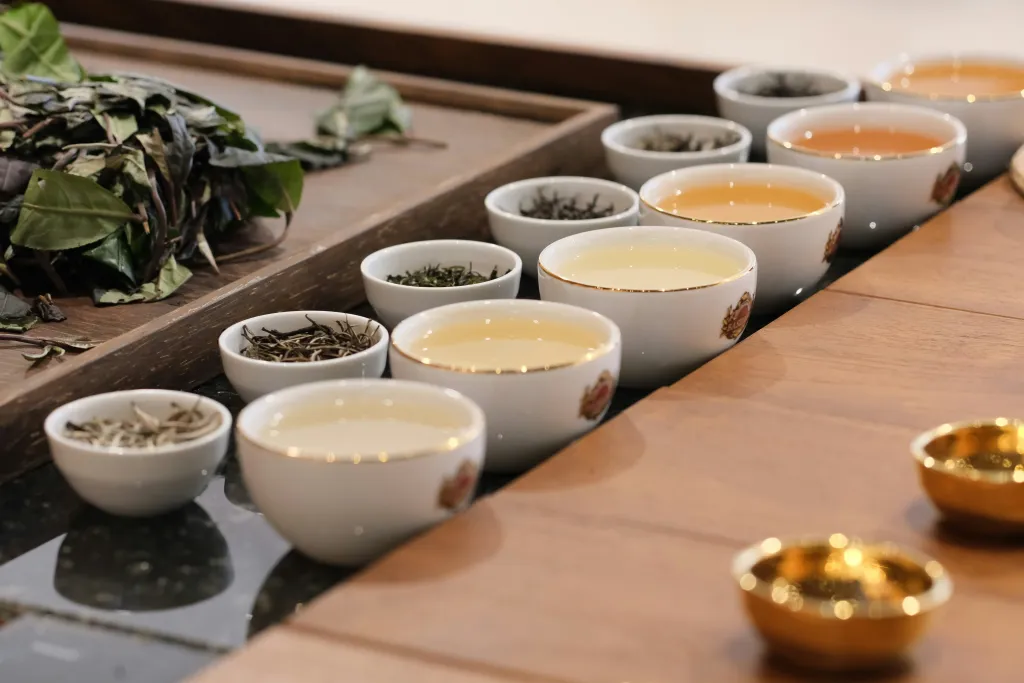
There are six main types of tea: white, green, yellow, black, oolong and pu-erh. All varieties come from the same plant, and the differences in colour, flavour and aroma come from the steps taken during processing. For tea, that means oxidation: whether it’s encouraged or controlled, and how much the leaves are bruised, broken or rolled, with heat and humidity determining the outcome. For whisky, the equivalent is the ageing process: the type of oak, the previous liquid in the cask, the length of maturation and the local climate.
White tea
White tea has the least intervention as the young buds are left to wither and quickly dried. Of course, there are different types of white tea with slightly different characteristics, but generally speaking white tea has a sweet and delicate taste with fragrant yet fresh aroma. Think of florals, honey, melon and fragrant pear. The mouthfeel is silky and soft.
If you like white tea, try:
Glenkinchie 12, 43% ABV – A classic Lowland malt, and Lowlands are traditionally the lightest, most delicate style in scotch. Grassy and floral with a touch of honey and orchard fruit, it mirrors white tea’s freshness and lightness.
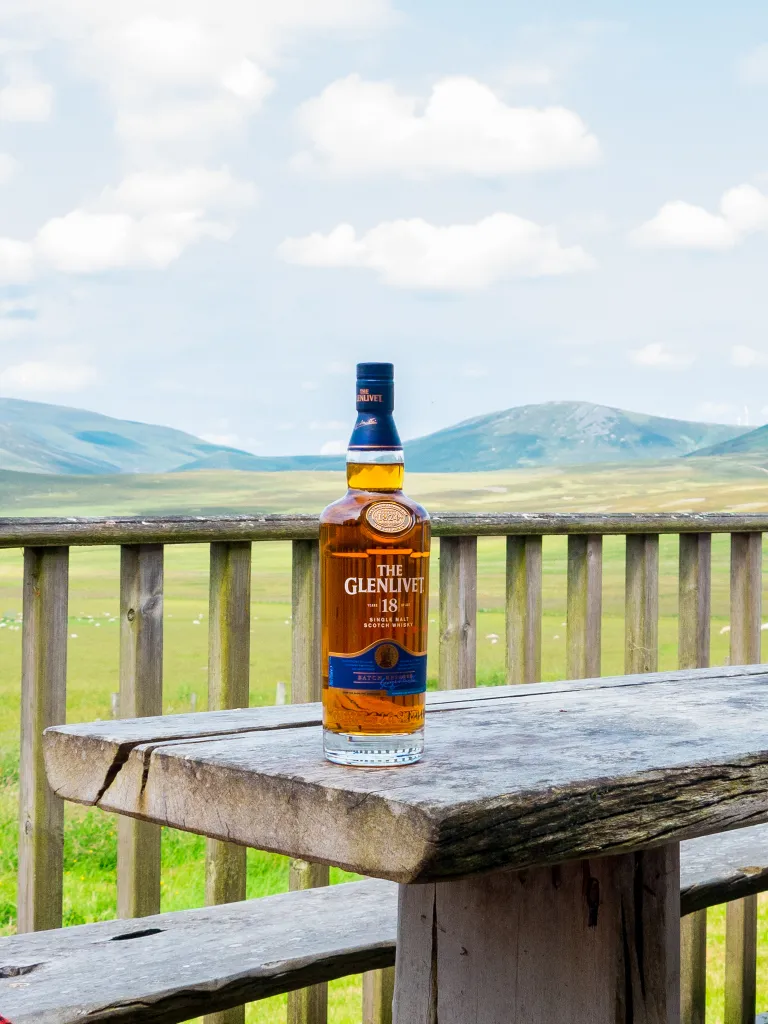
Glenlivet 18, 40% ABV – Slightly richer than the above, but still soft and elegant, with honeyed fruit and a silky texture that is parallel to the tea’s mouthfeel. A good option if you want something with a touch more depth without losing the delicacy.
Tomintoul White Port Finish, 40% ABV – Most whiskies that have been finished in white port tend to be lighter with notes of fragrant pears, florals and honey that reminisce many white teas. This Tomintoul is no different, plenty of poached pears, lychee and buttery texture. It’s also worth keeping an eye on limited-edition white port releases such as the recent Glasgow 1770 recent Triple Distilled White Port Cask Finish (53.3%).
Green tea
Green tea leaves are steamed or pan-fired instantly to stop oxidation. This process will retain the natural green colour and fresh, grassy and vegetal notes. Green tea can have some bitterness from the polyphenols and tannins, as well as a dry mouthfeel. Some Japanese teas come with savoury/umami undertones, while Chinese green tea is often more nutty or even slightly smoky. Loose leaf green tea might have added florals in the blend to create fragrant and fruity notes.
If you like green tea, try:
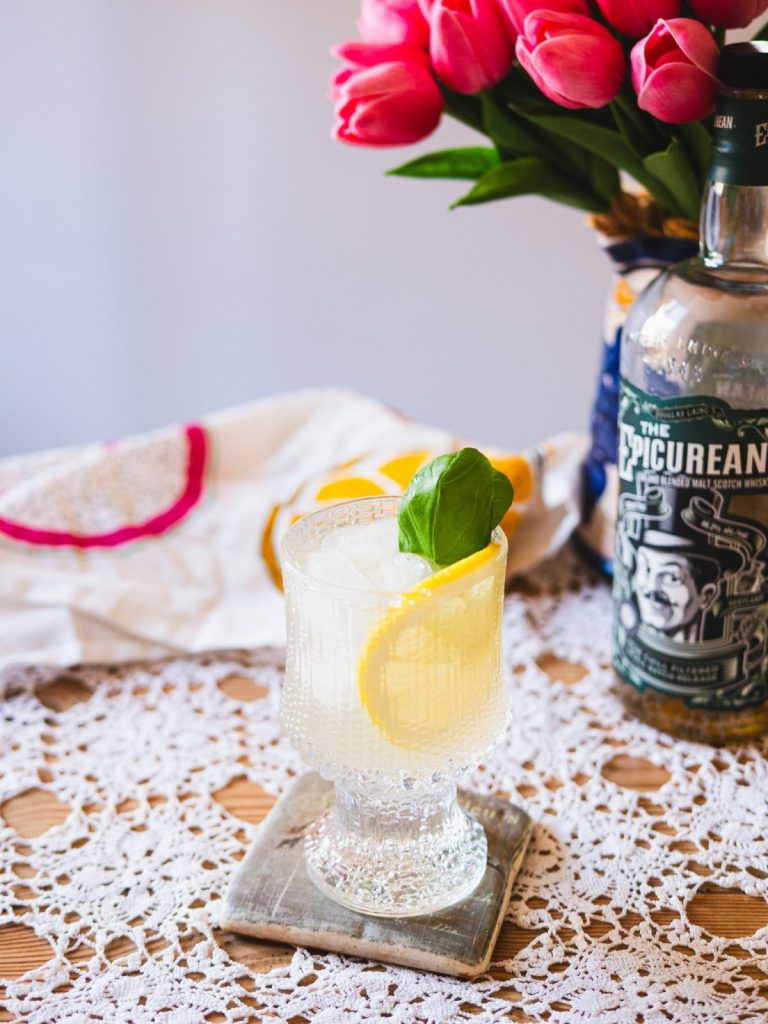
The Epicurean, 46.2% ABV – This Lowland blended malt is zesty, grassy and fresh with aromas of citrus, oats and herbs. On the palate, it offers more citrus, orchard fruits, subtle spice and grassy notes. Herbs, honey, almonds and fresh bread on the finish. Basically, a green tea in a whisky form.
Ardbeg Smokiverse 48.3% ABV – This whisky can be compared to the smokier and savoury style of green tea. Tropical fruits on the nose accompanied with some moss. Plenty of familiar sweet Ardbeg smoke throughout. The palate is offering a nice balance of sweeter and green notes.
Hakushu 12-Year-Old, 43% ABV – Some Japenese whiskies have more delicate and tea-like flavour profile, like this Hakushu single malt. It has a green, grassy aromas and rich, herbal and smoky palate with some fruitiness.
Try these herbal and tea-inspired whisky cocktails recipes with The Epicurean Blended Malt Scotch Whisky.
Yellow tea
The traditional Chinese yellow tea sits somewhere between white tea and green tea. It is softer and less grassy than green tea, bringing more nuttiness and sweetness instead. Think of sweet corn, honey, chestnut and toasted grain.
If you like yellow tea, try:
Glenfarclas 12, 43% ABV – Nutty and honeyed with a gentle sherry warmth, this offers dried fruit, walnuts and a soft sweetness. Some subtle earthy forest floor and oak in there to measure up to the tea notes.
Arran Local Barley, 51.5% ABV – Made entirely from barley grown on the island, this has a rich, malty sweetness with notes of toasted grain, honey and orchard fruit. The malt-forward character mirrors yellow tea’s sweet corn and toasted grain notes particularly well, with the natural cask strength giving it a bit more depth without tipping into heavy oxidation.
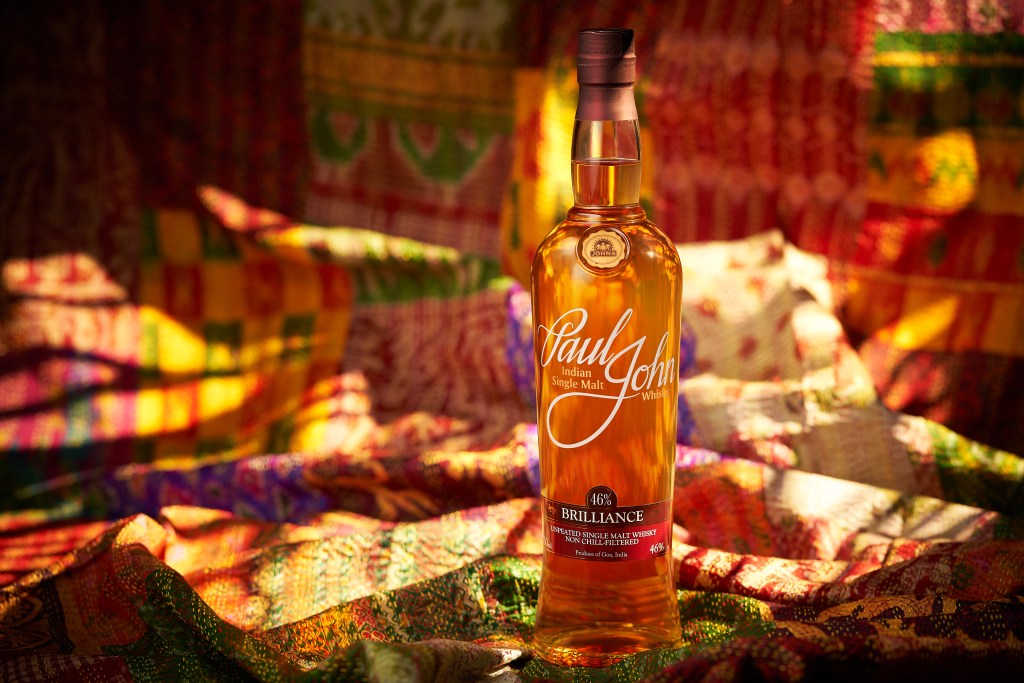
Paul John Brilliance, 46% ABV – This unpeated Indian single malt is fruity, honeyed and creamy, matching well to yellow tea’s sweetness and velvety mouthfeel. Take Mengding Huangya, a sweet tea with notes of chestnut, honey and toasted almond. Brilliance brings peach, honey and cinnamon on the palate, and its buttery finish ends in a walnut note, tying in with the tea’s nutty side.
Black tea
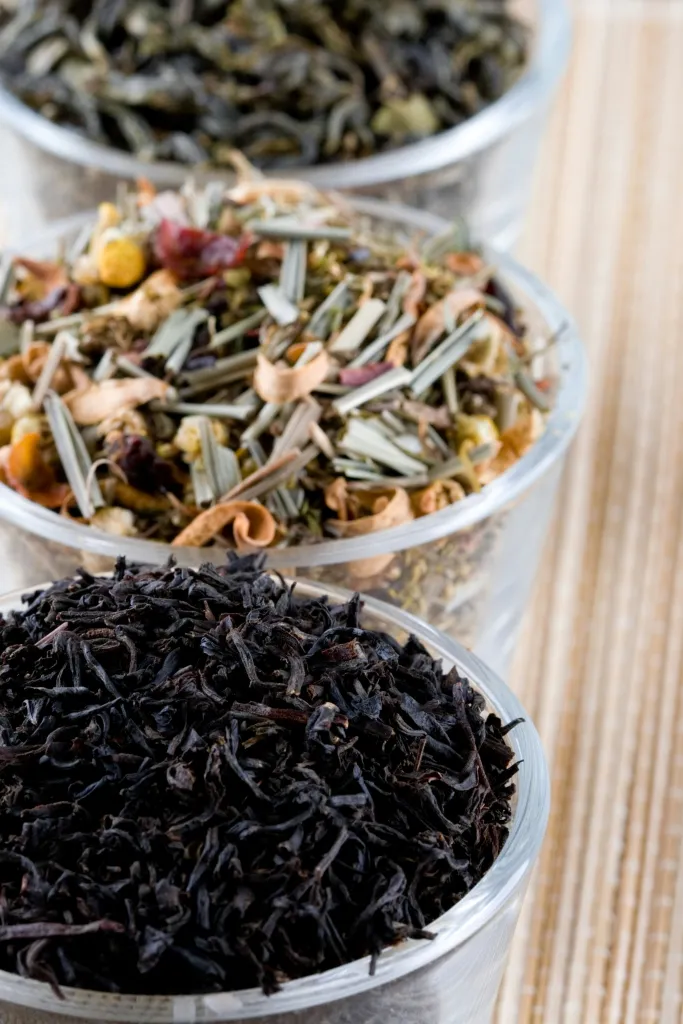
Black tea goes through full oxidation, creating robust and bold flavours. Depending on origin, the flavour profile can range from malty and smoky to fruity and floral, with natural tannins giving a dry, astringent finish.
Darjeeling, often called the “champagne of teas,” sits at the lighter end of black teas. It is floral and delicate. Keemun, sometimes known as “Keemun fragrance” for its aromatic, balanced profile, offers a combination of fruity and floral notes like orchid, rose and dried apple. It can have subtle smokiness and a hint of cocoa, providing a long aftertaste and a soft mouthfeel. Assam, from northeast India, moves into bolder territory with its malty and strong flavours. It is the tea most people picture when they think of classic breakfast tea. And Ceylon, from Sri Lanka, brings a rich body with a distinctive citrus note that sets it apart from the others.
If you like black tea, try:
Assam – Mortlach 12, 43.4% ABV – Rich and malty with real depth. Think toffee, dried fruit, cocoa, cinnamon and warming spice, backed by Mortlach’s signature meaty weight. It has the same warm, rounded, slightly sweet robustness of Assam.
Assam – Deanston Virgin Oak CS 2026, 60.7% ABV – The cereal, toffee and roasted hazelnut notes of this Deanston go with the robust, malty flavour profile of the tea. Assam is often served with milk and sugar, which bring out similar golden syrup and vanilla fudge notes than this whisky.
Keemun – Compass Box Orchard House, 46% ABV – As the name suggests the flavour profile is dominated by apples and pears, but also fragrant lychee, plus there’s citrus and gentle smoke reminiscent of Earl Grey tea.
Ceylon – Hakushu Distillers Reserve, 43% ABV – Made using both peated and unpeated single malts to create lightly smoky and fragrant whisky. Its flavours compare to the delicacy of a smoked tea. Plenty of citrus (yuzu, lemon balm, pink grapefruit) to match the classic Ceylon character.
Oolong tea
Oolong tea is partially oxidised, bruised and tossed, then rolled and often roasted. There can be big differences between the teas depending on the length of the oxidation and scale of roasting. Think of it like toasting and charring a whisky barrel, the level of fire used has a huge impact on what kind of flavours the barrel gives to the spirit inside. Oolong can vary from buttery to floral bouquet to roasted nuts to dark fruits and chocolate. The spectrum of oolong tea is wide and makes it one of the most versatile teas in the world.
If you like oolong tea, try:
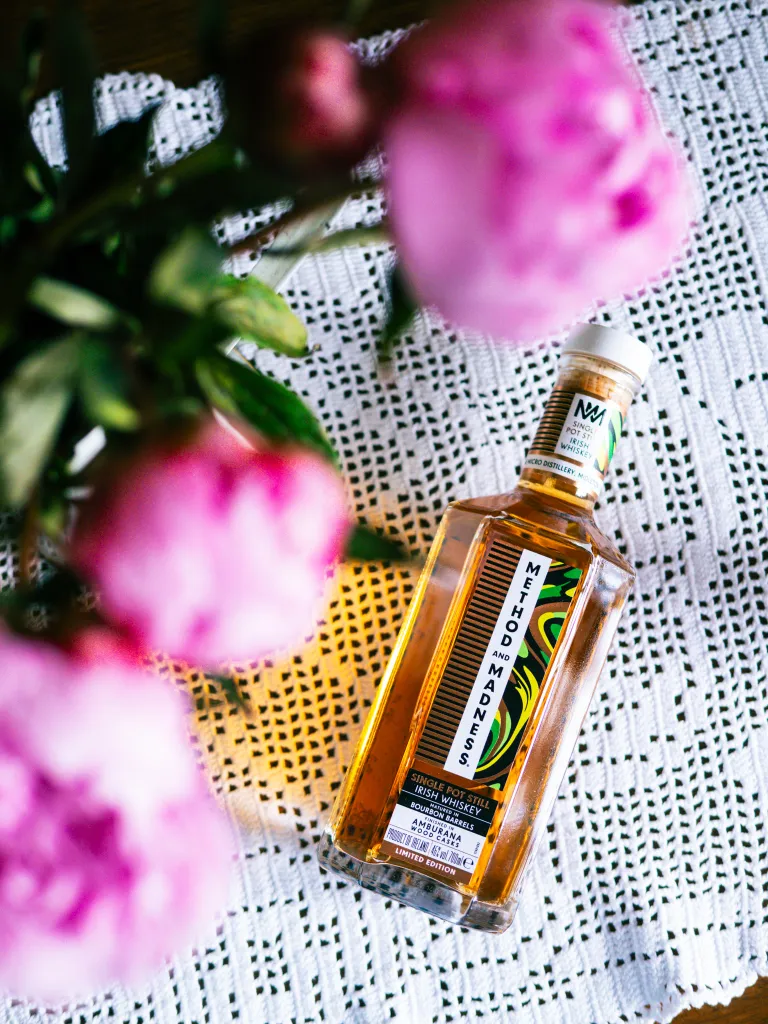
Method & Madness Amburana Wood Edition, 46% ABV – Finished in casks made from South American amburana wood, traditionally used to age cachaça. It’s fragrant, spicy, sweet and woody at the same time. That spiced, toasted, nutty-sweet profile mirrors a heavily roasted oolong beautifully. Cardamom, cloves, dark fruit jam, potpourri, marzipan, hazelnut syrup, demerara sugar and vanilla are just some notes to describe this delicious whisky.
GlenDronach 12, 43% ABV – This fits the medium-oxidised, fruity-honeyed end of the oolong tea spectrum. Sherry-cask matured with dried apricot, nuts and gentle spice – its stone-fruit sweetness speaks to oolong tea lovers.
Glenmorangie 12 The Original, 40% ABV – Given its citrus, honey and light floral character, this single malt suits the lightest end of the oolong spectrum perfectly.
Pu-erh tea
Unlike the teas mentioned above, Pu-erh tea leaves are fermented. It is also left to mature for decades rather than a year or two more common with other tea varieties. The ageing adds complexity and softens the mouthfeel.
There are two types of pu-erh tea, raw and ripe. The raw method involves ageing where natural microbes slowly ferment the tea. This method brings notes of dried fruit, oak, herbs and honey. The longer the ageing the richer the flavours. To create ripe pu-erh, the fermentation is controlled by keeping the leaves warm and moist. The outcome is mellow and autumnal with notes of dark chocolate, damp oak and dates.
If you like raw pu-erh (well-aged), try:
Ichiro’s Malt Mizunara Wood Reserve, 46.5% ABV – This Japanese whisky brings a lot to the table, showcasing the character of Mizunara oak. It has a lovely balance of sweet fruit, antique wood and subtle bitterness. A range of oaky notes can be detected throughout, from nose to finish.
If you like ripe pu-erh, try:
Lochlea Dark Briar, 46% ABV – The combination of Pedro Ximenez, Oloroso and Port cask contribute to a rich note of dark dried fruits, treacle, dark chocolate and certain dampness or an autumnal quality, which are all typical in ripe pu-erh teas.
Puni Arte 8, 48% ABV – This Italian single malt is made using a blend several types of casks. First their new make is aged in ex-Marsala casks and finished in ex-Bunnahabhain Móine, while another batch of spirit was aged in ex-PX sherry and ex-bourbon casks, then blended and finished in ex-Pinot Nero barrique. You can probably imagine the flavours these impart. Expect dark berries, Amarena cherries, green tea and damp autumn leaves with a subtle coastal smoke trying to push through. Perfect match for the ripe pu-erh tea.
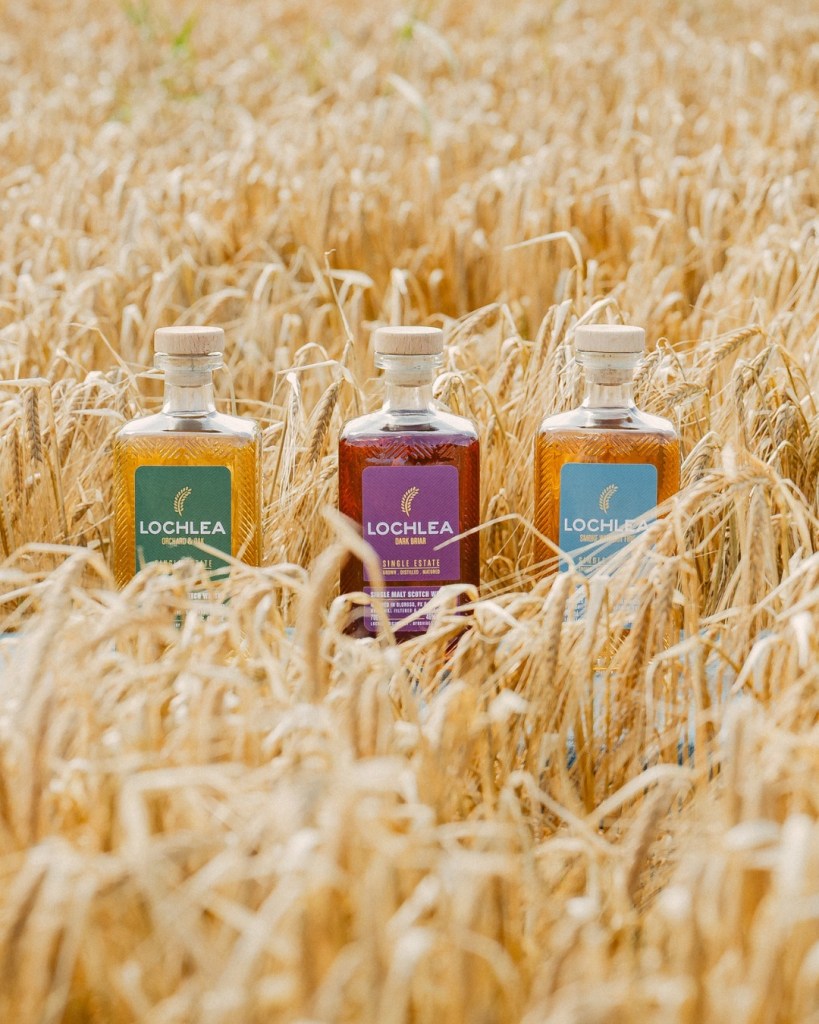
Which whisky and tea pairing would you choose? Which whisky would you match with your favourite tea?
Disclaimer: Some of the links used are affiliate links. If you buy through the links, I may receive a commission for the sale. This has no effect on the price for you.

Inka Larissa is an award-winning freelance spirits writer, content creator and Whisky Influencer of the Year 2026. Writing about whisky, cocktails and spirits since 2015, she explores the world of spirits from seed to glass. She is also co-host of the Whisky Sisters podcast.